
 EN
EN
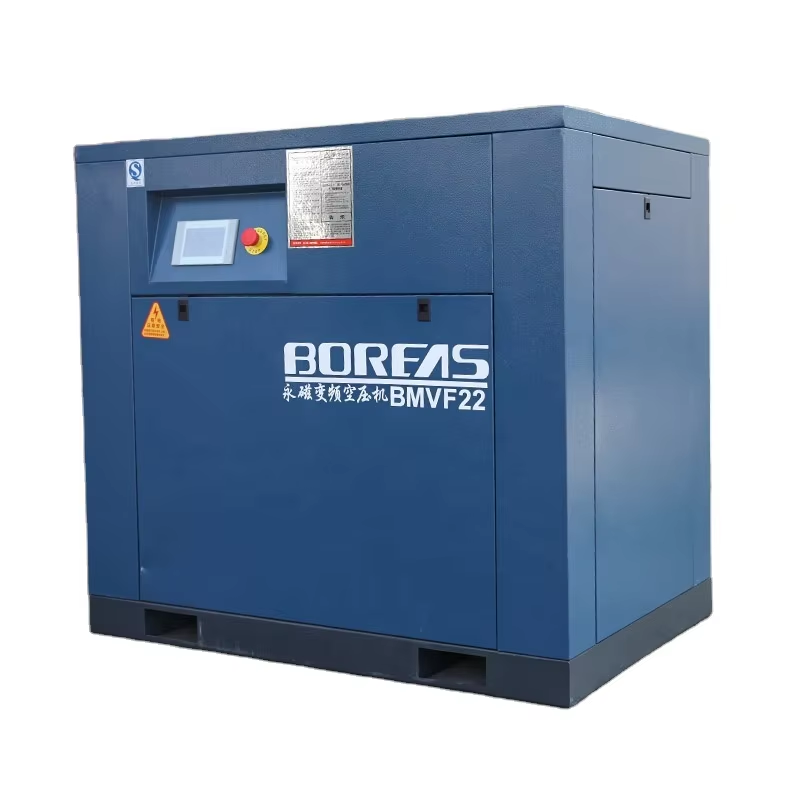
Understanding the Air-Oil Separator in Kaishan Screw Compressors
What is an air-oil separator and how it works
In oil flooded Kaishan screw compressors, the air oil separator or AOS plays a really important role in getting rid of excess lubricant from the compressed air before it gets discharged. When the air oil mix comes out of the compression chamber, it goes into the separator tank. Here, centrifugal force combined with gravity manages to pull out around 90 to 95 percent of the oil content. What's left behind gets caught by this special pleated fiberglass filter, which can actually separate oil from air at rates approaching 99.99%. After this cleaning process, the now clean air moves through the discharge lines, while the recovered oil makes its way back into the lubrication system for reuse. The whole two step approach cuts down on oil usage by about half when compared to older single stage systems, making maintenance costs much lower over time.
Role of the air-oil separator in compressor efficiency and maintenance
When an AOS works correctly, it makes a real difference to how efficiently operations run and how long equipment lasts. Keeping oil carryover between about half a part per million and three ppm stops problems down the line. The system keeps tools clean from contamination while ensuring bearings stay well lubricated, typically within plus or minus two microns. What's more, regular maintenance cuts carbon deposits on valves by around 80%, which matters a lot for plant longevity. Another thing worth watching is pressure differential across separators. If this goes over 1.5 bar consistently, that's usually when trouble starts brewing with Kaishan compressors. Operators need to check these systems right away when they spot such readings.
Importance of separation efficiency for Kaishan Screw Compressor performance
Kaishan compressors must achieve less than 3 ppm residual oil to comply with ISO 8573-1 Class 2 standards, essential for industries like food processing and pharmaceuticals. Even minor increases in oil carryover trigger measurable consequences:
| Impact | Cost Consequence |
|---|---|
| Filter replacement frequency | +35% annually |
| Heat exchanger efficiency loss | 8–12% reduction |
| Motor load increase | 2–3 kW per 100 cfm |
Maintaining high separation efficiency avoids these cascading inefficiencies and ensures regulatory compliance.
Safety and Preparation for Air-Oil Separator Replacement
Releasing System Pressure and Performing Lockout/Tagout (LOTO)
Begin by fully depressurizing the system using designated relief valves. Implement LOTO procedures in accordance with OSHA 1910.147, isolating all energy sources—electrical, pneumatic, and hydraulic. Apply lockout devices to primary disconnects and verify zero residual pressure using calibrated gauges before beginning disassembly.
Required Personal Protective Equipment and Workshop Safety Standards
Technicians must wear ANSI/ISEA-certified safety glasses, cut-resistant gloves, and steel-toe boots. Maintain at least 18 inches of clearance around the work area as recommended by NFPA 70E. When handling oil, use chemical-resistant aprons and ensure proper ventilation to keep vapor concentrations below NIOSH 2023 exposure limits of 25 ppm.
Tools, Materials, and OEM Part Selection for Your Kaishan Model
- Essential Tools: Torque wrench (30–50 Nm), separator housing spanner, non-sparking scraper
- OEM Compatibility: Always select Kaishan-approved separators matching your model’s serial number suffix (e.g., AOS-22K for KRSP22 units)
- Sealants: Use high-temperature RTV silicone rated for continuous operation up to 204°C
Replacement is typically required every 6,000 hours, though dusty environments may necessitate changes at 4,500 hours based on differential pressure monitoring.
Step-by-Step Removal and Installation of the Air-Oil Separator
Shutting Down the Compressor and Disconnecting Power Safely
Initiate a full shutdown via the control panel and confirm the drive motor has stopped rotating by monitoring amperage draw. Disconnect all electrical power at the main breaker and apply lockout/tagout devices to prevent accidental restarts during service.
Removing the Old Air-Oil Separator and Inspecting Housing
After confirming system depressurization, remove the separator housing cover bolts in a cross-pattern to prevent flange warping. Inspect the interior for scoring or corrosion—these conditions contribute to 43% of premature separator failures. Carefully extract the spent element using a non-abrasive pry tool to avoid damaging alignment pins.
Cleaning the Sump Tank and Sealing Surfaces
| Task | Tool Requirement | Tolerance Standard |
|---|---|---|
| Metal debris removal | Magnetic pickup tool | ±0.5 mm particulate |
| Gasket residue clearing | Plastic scraper | Mirror-finish surface |
Flush the sump with manufacturer-approved solvent, ensuring baffles and chambers are free of residual oil. Inspect O-ring grooves thoroughly, using a borescope if necessary, to confirm cleanliness and integrity.
Installing the New Separator with Proper Alignment and Torque
When installing the new component, turn it clockwise until it clicks into place against the housing stop. Getting this right matters because around one out of every five oil carryover problems after installation comes down to improper alignment. For tightening the bolts, work them in stages to between 18 and 22 Newton meters following a star pattern. A good quality torque wrench is essential here. And remember to apply thread sealant only on the male fittings as per industry standards (ANSI B1.20.1). This helps prevent leaks while staying within manufacturer specifications for safety and performance.
Reconnecting Discharge Pipes and Control Lines Securely
Reattach the oil return line with new crush washers, ensuring the check valve is oriented toward the sump. Pressure-test control line fittings at 1.5 times operating PSI before re-energizing. Perform an initial differential pressure reading; values exceeding 1.2 psi indicate improper installation and require correction.
Post-Installation Verification and Performance Checks
Checking for air leaks and ensuring system integrity
To check for leaks under pressure, grab a properly calibrated gauge and spray soapy water on every connection point. When bubbles start appearing, that means there's a leak somewhere. Industry numbers tell us something surprising too: just a tiny 1/16 inch hole at 100 psi pressure can cost around $740 each year in wasted energy alone. Want to make sure there's no oil contamination? Try placing a fresh white rag close to the discharge ports while running the system for about five minutes. If the cloth changes color at all, it means there's still some oil getting through the system despite what we might think.
Verifying oil levels and startup operation
Set oil levels within …’ of the sight glass centerline, as deviations beyond this range can cause up to 12% performance variance. During startup:
- Monitor amperage within ±5% of the nameplate rating
- Confirm oil temperature reaches 160–180°F within 15 minutes
- Verify automatic condensate drain cycles activate correctly
Extended operational testing under variable loads helps uncover hidden installation flaws not detected during baseline checks.
Monitoring differential pressure after replacement
New separators should operate below 3.5 psi during the break-in period. Field data from Kaishan indicates 92% of correctly installed units stabilize within 24 hours. Track pressure trends using the following guide:
| Time Since Install | Acceptable ΔP Range | Action Threshold |
|---|---|---|
| 0–24 hours | 2.5–3.5 psi | 4.0 psi |
| 25–100 hours | 1.8–2.5 psi | 3.0 psi |
Exceeding thresholds warrants investigation into seating, contamination, or flow restrictions. Units maintaining ΔP below 2 psi demonstrate 23% longer service life.
Maintenance Best Practices and Replacement Intervals for Kaishan Compressors
Recommended Maintenance Schedule for Air-Oil Separators
Replace air-oil separators every 4,000–6,000 operational hours or 24 months, whichever comes first, per Kaishan guidelines. Proactive replacement prevents pressure drops over 10 PSI, which are linked to 18% higher energy costs and increased airend wear. Key maintenance tasks include:
- Monthly visual checks for oil carryover
- Quarterly differential pressure readings
- Annual efficiency testing
Delaying replacement risks voiding Kaishan’s 5-year airend warranty, as specified in official maintenance protocols.
OEM vs. Aftermarket Parts: Balancing Cost and Reliability
While aftermarket separators might seem cheaper at first glance, saving anywhere from 30 to 50 percent upfront, OEM Kaishan certified units actually offer much better reliability in the long run. These units come with really effective filtration down to about 3 parts per million, special gaskets designed to handle vibrations, and they work seamlessly with variable speed models such as the KRSP2 series. Facilities operating in humid conditions should take note too because non-OEM filters tend to break down around 63% quicker there. When filters fail unexpectedly, it costs roughly $740 every hour until things get fixed. Looking at things over five years though, those initial savings disappear fast when considering all the replacement costs and lost production time. The math adds up pretty clearly - OEM parts cut overall expenses by about 22% across their lifespan, which is why most serious operations stick with them despite higher initial investment.
FAQs
1. How often should the air-oil separator be replaced in a Kaishan screw compressor?
The air-oil separator should be replaced every 4,000 to 6,000 operational hours or every 24 months, depending on which comes first. Dusty environments may require more frequent replacements.
2. Why is it important to maintain high separation efficiency in compressors?
High separation efficiency is crucial to prevent oil carryover, which can lead to increased maintenance costs, reduced heat exchanger efficiency, and higher motor load. It also ensures compliance with industry standards such as ISO 8573-1 Class 2.
3. What are the risks of using aftermarket separators instead of OEM parts?
Aftermarket separators, while cheaper upfront, tend to be less reliable and may lead to more frequent replacements. They could cost more in the long run due to increased downtime, higher energy expenses, and potential equipment damage.
Table of Contents
- Understanding the Air-Oil Separator in Kaishan Screw Compressors
- Safety and Preparation for Air-Oil Separator Replacement
- Step-by-Step Removal and Installation of the Air-Oil Separator
- Post-Installation Verification and Performance Checks
- Maintenance Best Practices and Replacement Intervals for Kaishan Compressors
- FAQs