
 EN
EN
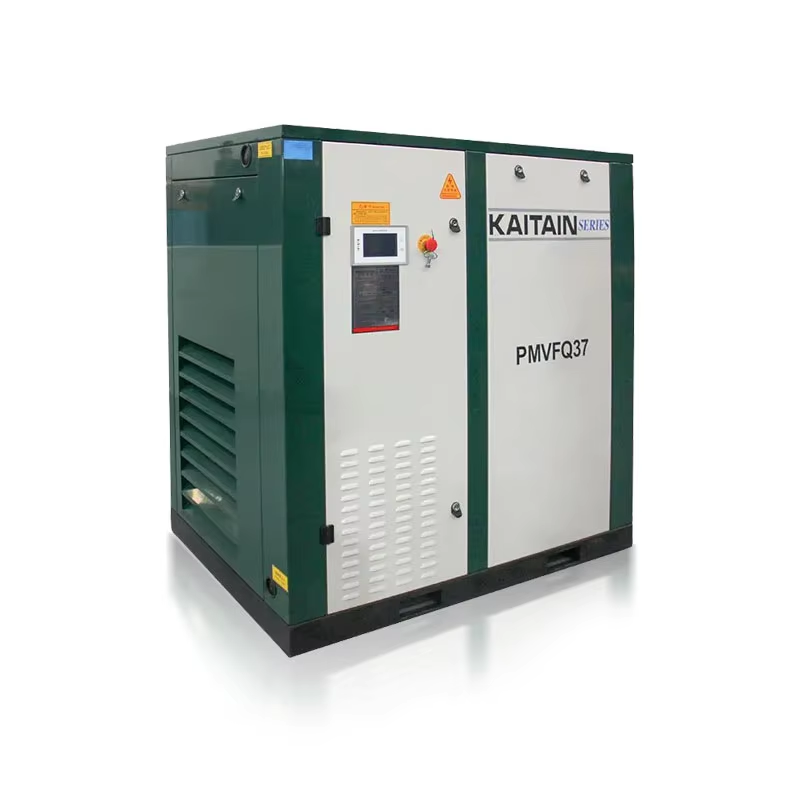
Real-Time Motor Speed Control Matches Air Demand in Screw Compressors
Closed-Loop Pressure Control for Dynamic Load Matching
Variable speed drives, or VSDs for short, work by constantly adjusting how fast a screw compressor's motor runs based on what the pressure sensors tell them right then and there. The big difference here is that traditional fixed-speed units just keep running at full blast no matter what the actual need happens to be. Rather than using those inlet valves to restrict airflow, which can actually waste as much as 35% of energy when things aren't at full capacity, VSD technology fine tunes the motor speed to stay within about half a pound per square inch range. Take a situation where air demand goes down around 40% - the motor simply slows down accordingly, saving well over half the electricity needed according to research from Compressed Air Challenge back in 2023. Another benefit worth mentioning is that this kind of smart load management puts less strain on all those moving parts inside the machine. Seals last longer and bearings don't wear out so quickly either, giving us roughly 30% better longevity compared to older systems that kept starting and stopping repeatedly.
PWM Inverter Operation and Torque-Optimized Speed Regulation
Variable Speed Drives employ PWM inverters to transform standard AC power into adjustable frequency outputs, which lets operators fine tune motor speeds from around 25% all the way up to full RPM capacity. These drives come with smart control systems that maintain consistent torque throughout the entire speed range, so screw compressors can run close to their best possible efficiency levels (somewhere between 85% and 92%) even when operating at just 30% of their maximum capacity. Traditional fixed speed models tell a different story though. Once they drop below about 70% load, their efficiency plummets fast, sometimes sinking under 60% overall system performance. The real advantage comes from how VSD technology eliminates those energy wasting "no load" running conditions and delivers exactly what's needed for airflow requirements. According to research published by the US Department of Energy back in 2022, industrial facilities typically see improvements ranging from 15% to 25% better system efficiency when switching to these variable speed screw compressors.
Energy Savings and Part-Load Efficiency of VSD-Equipped Screw Compressors
Up to 35% Energy Reduction vs. Fixed-Speed Screw Compressors
Screw compressors fitted with variable speed drives (VSDs) save quite a bit of energy because they adjust motor speeds based on actual air needs instead of running at full blast all the time. No more wasting energy through things like letting out extra compressed air or constantly turning the system on and off. When operating at around 70% capacity, these VSD models typically draw about 58% of their maximum power consumption compared to roughly 82% for standard fixed-speed units. That means most setups see somewhere between 20 to 50 percent less energy usage overall. Facilities where demand fluctuates a lot, think food production lines or metal shops, often find switching to VSD tech cuts their electricity bills by nearly 35%. Some plants even report slashing energy costs by more than half when conditions change frequently throughout the day.
Peak Efficiency in the 30–80% Load Range: Why VSD Excels Where Fixed-Speed Fails
VSD tech keeps running at top efficiency between about 30 to 80 percent load, something that solves one big problem with standard fixed speed screw compressors. Fixed speed units work best when they're fully loaded, but once demand drops below around 70%, their performance plummets because of all those cycling losses and wasted time idling. With VSD systems, manufacturers can hit around 95% efficiency right in that middle load range thanks to better control over motor speed and power output. This leads to steadier pressure levels, less moisture getting into the system, and components wearing out slower over time. Plants that deal with changing air requirements throughout the day find this particularly valuable since they get reliable operation while still saving on electricity costs compared to older compressor technologies.
Extended Service Life and Reduced Maintenance Through VSD Integration
When VSD tech gets integrated into screw compressors, it really makes a difference for how long they last because it takes away all that mechanical shock from running at fixed speeds all the time. The soft start feature plus those gradual speed changes help stop problems like belt slippage and those sudden torque spikes that wear out bearings so fast. Looking at the numbers, VSD systems cut down on average revolutions by around 40 to 60 percent compared to traditional load/unload methods. This means less stress on parts like rotor seals and valve assemblies throughout their lifespan. According to various industrial studies tracking equipment over years, service intervals actually stretch out two to three times longer when using VSDs. Maintenance teams report about 30% lower costs each year and see far fewer unexpected breakdowns. For plant managers keeping track of downtime and overall expenses, this translates into better reliability and savings across the board.
System-Level Benefits: Stable Pressure, Improved Air Quality, and Moisture Control
Tighter Pressure Band Control Minimizes Cycling and Moisture Carryover
Variable speed drive screw compressors keep pressure stable around ±0.1 bar, which means no more those big pressure jumps we see with traditional fixed speed models. When these compressors run with such tight control, they cycle on and off much less frequently than standard units. This leads to significantly reduced heat buildup inside the system and prevents condensation from forming internally. The reduced moisture content makes a real difference in air quality throughout the facility. Equipment further down the line stays protected from corrosion damage, something that matters a lot in sectors like food production where contamination risks are high, pharmaceutical operations requiring sterile conditions, and electronic component manufacturing where even tiny particles can ruin products. Facilities using VSD technology typically notice cleaner air lines overall, spend less money on filters and dryers, achieve better product safety standards, and experience pneumatic tools working consistently without unexpected stalls when pressure drops occur.
FAQ
What is the main benefit of using Variable Speed Drives (VSDs) in screw compressors?
The main benefit of using VSDs in screw compressors is the ability to adjust motor speeds according to the actual air demand, which significantly reduces energy consumption and increases the efficiency of the compressor system.
How much energy savings can be achieved with VSDs compared to fixed-speed models?
Screw compressors with VSDs can achieve up to 35% energy savings compared to fixed-speed models by reducing power consumption based on fluctuating air demand.
Do VSD-equipped compressors require more maintenance than traditional models?
No, VSD-equipped compressors may actually require less maintenance due to reduced mechanical stress and wear on components, leading to longer service intervals and lower maintenance costs.
Why are VSD compressors more efficient in part-load conditions?
VSD compressors maintain high efficiency even in part-load conditions (30-80% load range) by optimizing motor speed and power output, which traditional fixed-speed models struggle with.
What industries benefit most from using VSD-equipped screw compressors?
Industries with fluctuating air demand such as food production, pharmaceuticals, and electronics manufacturing benefit most from using VSD-equipped screw compressors due to improved air quality, energy savings, and reliable performance.
Table of Contents
- Real-Time Motor Speed Control Matches Air Demand in Screw Compressors
- Energy Savings and Part-Load Efficiency of VSD-Equipped Screw Compressors
- Extended Service Life and Reduced Maintenance Through VSD Integration
- System-Level Benefits: Stable Pressure, Improved Air Quality, and Moisture Control
-
FAQ
- What is the main benefit of using Variable Speed Drives (VSDs) in screw compressors?
- How much energy savings can be achieved with VSDs compared to fixed-speed models?
- Do VSD-equipped compressors require more maintenance than traditional models?
- Why are VSD compressors more efficient in part-load conditions?
- What industries benefit most from using VSD-equipped screw compressors?