
 EN
EN
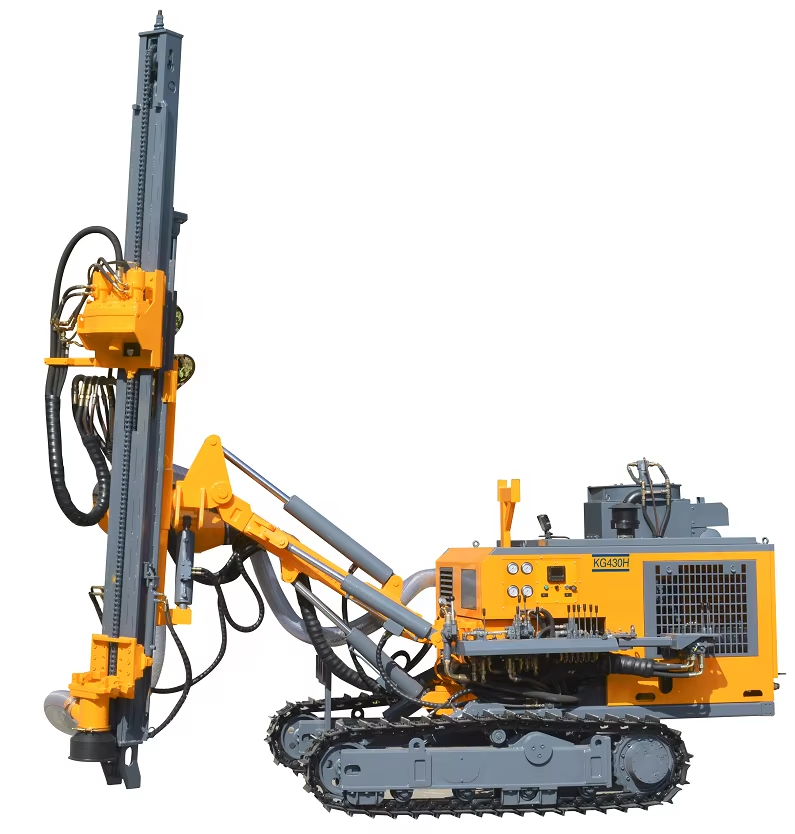
Core Operating Principles: Impact Energy vs. Rotational Torque
How DTH Drilling Machines Generate High-Frequency Hammer Action at the Bit
DTH drilling machines, also known as Down-The-Hole drills, send powerful impacts straight to the drill bit using either pneumatic or hydraulic hammers located inside the drill string itself. When compressed air or fluid pushes a piston forward, it hits the bit around 1,500 to 3,000 times each minute. This creates enough pressure to crack even the toughest rocks right at the bottom of the hole. The main advantage here is that since the hammer works directly on the bit, there's much less energy wasted along the drill string compared to those older surface-driven systems. For really hard materials such as granite and basalt, these machines produce just the right kind of fragmentation needed. Industry guidelines generally point to an impact force between 300 and 1,500 foot-pounds per strike as what actually breaks rock efficiently in field conditions.
How Rotary Drilling Relies on Sustained Torque, Downforce, and Fluid Circulation
Rotary drilling works by applying constant rotational force, usually between around 10,000 to 50,000 Newton meters from either a top drive mechanism or traditional rotary table setup. This is paired with downward pressure ranging from approximately 20 to 100 tons which helps grind through different layers of earth. The process relies heavily on circulation of drilling fluid, often called mud, that runs all the way down through the drill pipe. This fluid serves multiple purposes at once: it keeps the drill bit cool during operation, carries away rock fragments back to the surface, and importantly stabilizes the sides of the hole being drilled. When working in softer ground conditions like clay deposits, sandy areas, or regions containing groundwater, rotary systems tend to prevent cave-ins much better compared to older hammering techniques. From an engineering standpoint, getting good results requires careful attention to several interrelated factors. Operators need to find the right balance between how thick the drilling fluid is, how much weight gets placed on the actual cutting tool, and what speed the whole assembly spins at. Getting these elements wrong can lead to problems with the drill going off course or losing stability entirely.
Performance by Geology: Where DTH Drilling Machines Excel—and Where They Don't
DTH Drilling Machines in Hard, Abrasive, and Highly Fractured Formations (Granite, Basalt, Quartzite)
Direct drive hammer technology works best when drilling through tough materials like granite, basalt, and quartzite because it sends concentrated impact force right to the drill bit itself. These rocks have compressive strength ratings that go well beyond 200 MPa, so they don't respond well to regular spinning action. Instead, they break down much better when there's repeated cracking at the mineral interfaces. Real world tests indicate that DTH can boost penetration speed by anywhere from 30 to 50 percent compared to standard rotary drilling techniques in these conditions. The straight hole maintenance is particularly important for quarry operations since even small deviations affect how well blasting breaks up rock and impacts worker safety. Another benefit comes from air flushing which keeps bits cool while also clearing out debris, something that becomes really valuable during long runs in hot underground environments where overheating would otherwise be a major problem.
Rotary Drilling Advantages in Soft–Medium Soils, Clay, Sand, and Unstable or Water-Bearing Strata
Rotary drilling works best in those loose, wet ground conditions because it mixes physical cutting with liquid support systems. The drilling mud creates this thin protective layer against the hole walls that stops things from falling in when working through sandy or clayey materials something regular DTH drilling just can't do with its air flushing method. When we hit really shaky ground layers, the rotary rigs actually push the steel pipe down as they drill along, which cuts down on collapses by about 70 percent compared to older hammering techniques. For places like pressurized water pockets or super fine silty areas, getting the right mix of mud thickness and stickiness helps balance out what's going on underground so we can keep drilling safely without problems. Tests using Standard Penetration methods show that rotary equipment moves through clay soils at around 40 percent higher speed when dealing with pressures below 50 MPa, mainly because the system keeps clearing away debris continuously through its sealed circulation setup instead of letting stuff build up inside the hole.
Practical Operational Limits: Depth, Diameter, Speed, and Hole Integrity
Depth Capacity: DTH Drilling Machines (Typically ≈300 m) vs. Rotary Rigs (1,000+ m with casing)
The depth capability of DTH drilling gets limited because energy from compressed air transmission starts to fade out after around 300 meters. At this point, the impact force drops roughly 40%, according to research published in the International Journal of Rock Mechanics back in 2022. When drill strings get longer, they generate more friction along the way which makes the hammer response weaker. That's why rotary systems have become so popular lately. These systems use drill strings that maintain stable torque and allow for real time casing progress, often reaching depths past 1,000 meters without issues. What really sets them apart though are their fluid circulation systems. They handle rock cuttings even at those extreme depths while providing necessary pressure support against the growing forces underground. For anyone working on deep geothermal projects, oil and gas exploration, or municipal water wells, these systems are practically indispensable once we need reliable performance below 500 meters mark.
Hole Size and Precision: DTH Drilling Machines (76–250 mm) for Targeted Blast Holes vs. Rotary (150–1,500+ mm) for Infrastructure Wells
DTH drilling achieves remarkable accuracy within the 76 to 250 mm size range, keeping deviations below plus or minus half a percent. This level of precision matters a lot in quarries since small changes in placement can really impact how rocks break apart and ultimately affect costs per ton of material processed. The compact nature of DTH systems along with their direct energy transfer makes them less suitable for bigger holes though. When working with larger diameters, factors like rotational force and how fluids behave inside the hole become much more important considerations. That's where rotary rigs come into play, capable of handling everything from around 150 mm all the way up to over 1,500 mm. These machines support major infrastructure projects such as water well installation and building foundation piles. By adjusting the properties of drilling mud, operators can maintain about 1% diameter control even when dealing with tricky conditions like sandy soils that hold water. In these situations, using traditional DTH air flushing methods often leads to problems like washouts and collapsed walls.
Total Cost of Ownership and Industry-Specific Fit for DTH Drilling Machines
CapEx, Consumables, and Maintenance: Lower Upfront Cost but Higher Bit Wear for DTH Drilling Machines
Drillers know that DTH machines typically need around 15 to 20 percent less upfront money compared to regular rotary rigs, which makes them pretty attractive for medium sized operations running on set schedules. The downside though is that parts tend to wear out faster. Those tungsten carbide bits just don't last long when working through really rough ground, so they have to be replaced all the time. Some newer models with special flushing systems can cut down bit wear by about half in areas with lots of silica content according to Ponemon's research from 2023. This means longer lasting equipment and cheaper maintenance costs down the road. Looking at the big picture, companies save roughly seven hundred forty thousand dollars over five years because workers spend 27% less time maintaining these rigs and machines run 42% fewer hours for each ton dug out. Makes sense why many operators choose DTH when their specific job conditions match what these drills do best.
Application Mapping: Mining & Quarrying (DTH Drilling Machines) vs. Oil & Gas, Geothermal, and Municipal Water Supply (Rotary)
The way different industries adopt these technologies really comes down to what works best for their specific needs. Down-the-hole (DTH) drilling has become the go-to method in mining and quarry operations because it offers remarkable precision when working through hard rock formations. Most operators report around 95-98% straightness in their boreholes, which cuts down on costly rework and makes blasting operations much more efficient. Granite quarries typically save between $18 to $22 per meter compared to traditional rotary methods according to field reports from several major producers. On the flip side, rotary drilling remains the standard approach for oil and gas exploration, geothermal projects, and municipal water supply systems where deeper holes with larger diameters are needed along with proper casing support. Although DTH can handle some special cases in hard rock geothermal applications, most experts still consider rotary drilling as the practical choice for creating deep, multi-zone wells that require careful pressure management in tricky geological conditions.
FAQ
What is the main advantage of DTH drilling machines?
DTH drilling machines work directly on the drill bit, reducing energy waste compared to traditional surface-driven systems, making them ideal for hard materials like granite and basalt.
Why is rotary drilling preferable for softer ground conditions?
Rotary drilling combines physical cutting with fluid systems, preventing cave-ins and providing effective drilling in soft, wet ground conditions like sandy or clayey materials.
What are the depth differences between DTH and rotary drilling systems?
DTH drilling is typically limited to around 300 meters depth, while rotary systems can reach over 1,000 meters, making them suitable for deeper exploration projects.
How precise are DTH drilling machines?
DTH drilling machines achieve high accuracy within the 76 to 250 mm range, vital for quarry operations where precision affects blasting and material processing costs.
What industries use DTH and rotary drilling machines?
DTH drilling is favored in mining and quarrying for hard formations, while rotary drilling is standard in oil, gas, geothermal, and municipal water supply systems requiring deeper, larger diameter wells.