
 EN
EN
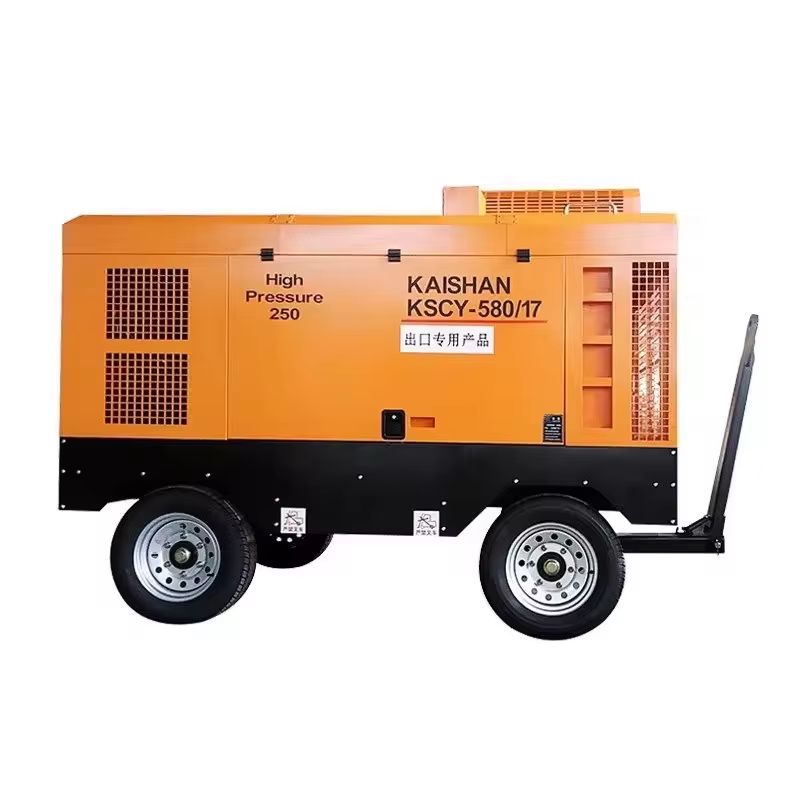
Core Components of a Borehole Drilling Machine
Modern borehole drilling machines integrate specialized systems to penetrate diverse geological formations. Understanding these core components ensures efficient operation and maintenance.
Powertrain, Mast, and Rotary Head: Structural and Motion Systems
The power train, usually running on diesel or electricity, turns energy into spinning motion that drives the whole drilling setup. This system powers two main components: the mast, which is basically a strong upright frame holding up the heavy drill string and keeping everything aligned straight down, and the rotary head responsible for applying just the right amount of twisting force to the drill bit. Newer drilling rigs come equipped with automatic controls that adjust how fast things spin and how much downward pressure gets applied. These systems let operators react instantly when they hit harder rock layers underground, which helps keep the drill going straight instead of wandering off course.
Drill Bits, Mud Pumps, and Circulation Systems: Enabling Penetration and Cuttings Removal
Drill bits come in different types depending on what they need to do. Diamond impregnated ones are great for breaking up tough rocks, while drag bits work better when cutting through softer sediment layers. At the same time, mud pumps push drilling fluids down the drill string. These fluids can be just water or sometimes a bentonite slurry mixture. As it goes down, the fluid comes out through small openings in the bit itself. This serves two main purposes actually one cools down the cutting surfaces and another helps bring all those rock fragments back up to the surface through the space between the drill pipe and the hole wall. When everything works right, proper fluid circulation stops the bits from getting clogged with debris, keeps the hole stable during drilling, and gives engineers clearer information about what kind of rock formations they're dealing with underground.
The Four-Stage Borehole Drilling Process
Site Assessment and Rig Setup
The process starts with a thorough look at the site conditions, typically involving things like seismic testing or ground penetrating radar scans to get a good read on what's beneath the surface. Geologists need to know about rock formations, how deep the water table sits, and anything else that might be hiding underground. Once they have all that info, tech crews set up their work area on solid ground, making sure everything is flat and the main support structure is properly aligned. Safety comes first here too, so workers mark off restricted areas where nobody should go during operations and double check exactly where all those buried pipes and cables run to avoid damaging them by accident. Industry data from NGWMN back in 2023 shows that taking time to do all this groundwork cuts down on problems later on, reducing risk factors by almost half when compared to projects that skip these important preliminary steps.
Drilling Execution: Rotation, Advancement, and Real-Time Monitoring
As the drill goes into the ground, the rotating bit delivers just the right amount of turning force while hydraulics push the drill pipe forward at carefully calculated speeds. At the same time, special pumps keep sending drilling fluid down to the cutting area to keep things cool and carry away all the rock chips. The whole operation is watched closely by onboard sensors that check how strong the drill pipe is, what kind of rock they're going through, and whether pressures are staying in safe ranges. If something looks off, these sensors kick in automatic corrections almost instantly. Keeping an eye on all this helps maintain the hole's straightness within about 2 degrees from true vertical, which means better results for whatever project needs those underground measurements or access points.
Casing, Grouting, and Well Completion for Long-Term Integrity
Once the hole has been drilled through rock layers, workers install threaded steel casing down the shaft to stop the sides from caving in during operations. Next comes the cementing process where grout gets pumped under pressure into the space between the steel casing and surrounding rock formations. This creates two protective barriers that keep harmful substances away from clean water sources below ground while also making sure the whole structure stays stable over time. After all that groundwork, technicians perform several cleaning steps such as surging and pumping out tiny particles stuck inside the wellbore. Only after these cleanup processes are completed do they put in place either production pumps for extracting resources or monitoring devices needed for long term observation. These final touches help maintain proper function for many years ahead and meet necessary environmental regulations across different regions.
Drilling Methods Supported by Modern Borehole Drilling Machines
Rotary Drilling: The Dominant Method for Water and Geotechnical Applications
Rotary drilling still stands as the go-to method for most water well installations and geotechnical work. The process basically involves spinning the drill bit continuously while applying just the right amount of hydraulic pressure to get through different types of soil and rock layers. Most operators rely on bentonite slurry during these operations. This special mud mixture does several important things at once - it keeps the cutting tools from overheating, helps hold the sides of the hole together, and carries away the debris generated during drilling. Modern equipment comes equipped with automatic pressure regulation systems that keep the weight applied to the bit within ideal ranges. This makes the whole operation run smoother and extends tool life significantly. When exploring underground water sources, experienced crews can expect their rotary rigs to advance anywhere between 5 to 15 meters each hour through moderately dense geological formations, all while keeping the hole straight and true.
| Technique | Best For Formations | Penetration Rate Advantage | Fluid Requirement |
|---|---|---|---|
| Standard Rotary | Sand/Clay | Moderate-High | High |
| Mud Rotary | Unconsolidated Soils | Consistent | Very High |
Percussion and Air Rotary Variants: When to Use Alternative Techniques
The percussion and air rotary approaches tackle problems that regular rotary drilling struggles with, especially when dealing with cracked bedrock or super dense rock formations. With percussion systems, we're talking about around 40 to 60 powerful impacts every minute that actually break apart tough materials like quartzite or granite which tend to wear down normal drill bits until they just stop working effectively. Then there's air rotary drilling where compressed air gets pumped through at rates between 300 and 500 cubic feet per minute. This air pushes out the rock debris during drilling without needing any fluids at all. Makes sense for dry areas, polluted sites, or situations where getting liquids into the formation is absolutely not an option. The biggest plus? These methods cut down on water usage compared to traditional mud-based systems by nearly 90 percent. Plus they work well even when drilling angles are off or the ground itself isn't stable enough for conventional techniques.
- Percussion: Preferred for boulder fields and shallow geothermal loops
- Air Rotary: Essential for mineral exploration in water-scarce environments
- Hybrid Systems: Combine rotation and hammering for basaltic or highly variable formations
Geotechnical engineers select these alternatives when rotary methods risk bit balling, hole collapse, or inaccurate formation samplingâ€"especially in vuggy limestone, glacial till, or weathered granites.
Frequently Asked Questions (FAQ)
What are the main components of a borehole drilling machine?
Key components include the powertrain, mast, rotary head, drill bits, mud pumps, and circulation systems.
How does the rotary drilling method work?
Rotary drilling involves spinning the drill bit while applying hydraulic pressure to penetrate different soil and rock layers. It uses a bentonite slurry to cool cutting tools and carry away debris.
What are alternative drilling techniques?
Percussion and air rotary techniques are alternatives for challenging formations like cracked bedrock or super dense rocks. These methods reduce water usage compared to traditional rotary drilling.