
 EN
EN
Optimize oil management to extend the service life of screw air compressors
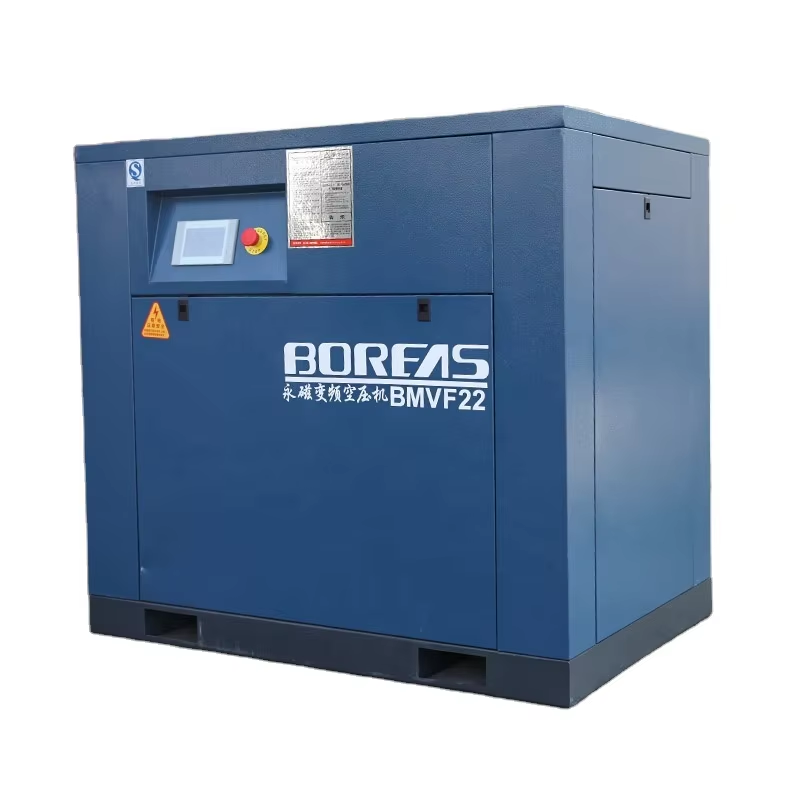
Selecting and maintaining the appropriate lubricating oil for rotary screw compressors
Synthetic oils are crucial for rotary screw compressors operating under high pressure and high temperature. These lubricants offer advantages such as superior heat resistance, stronger anti-aging properties, and better anti-fouling performance. Synthetic oils play several key roles in the lubrication process: they lubricate moving parts and prevent friction; aid in heat dissipation within the system; form seals between compression zones; remove debris from inside the machine; and prevent rust on metal surfaces. Choosing the appropriate viscosity grade, according to the manufacturer's specifications, is essential. Studies show that if operators use the wrong lubricant, component wear can increase by approximately 34%. Therefore, regular lubricant checks are very important. A quick weekly check of the lubricant's color and consistency can help detect problems early. If the lubricant is darker than usual or has a thick layer of sludge, it usually indicates excessive oxidation or water infiltration into the system.
Oil sample collection, analysis and interpretation of early signs of degradation
Quarterly oil analysis is the most reliable method for detecting early-stage faults. Key parameters and their impact are summarized below:
| Test parameters | Normal range | Critical threshold | Failure risk |
|---|---|---|---|
| Viscosity (centistokes) | ±10% of new oil | Deviation greater than 15% | Bearing wear |
| Acid value (mg KOH/g) | <1.0 | 2.0 | Corrosion, additive loss |
| Moisture content (ppm) | <500 | 1000 | Thin film strength reduced |
An elevated total acid value indicates oxidation; iron or copper content exceeding 20 ppm indicates deterioration in bearing performance. Untreated oil deterioration results in an average annual loss of $740,000 for the plant, losses that could have been avoided, primarily due to compressor failures (Ponemon 2023). Proactive oil condition monitoring can extend service life by 40% compared to time-based adjustments alone.
Best practices for oil change intervals and contamination control in accordance with original equipment manufacturer (OEM) specifications.
Follow the manufacturer's recommended oil change intervals (typically 2,000 to 8,000 hours), and shorten intervals under harsh conditions such as high humidity or high dust levels. Effective contamination control relies on a triple-layered defense:
- Multi-stage air intake filtration can capture 99.5% of airborne particulate matter.
- High-efficiency coalescing filters can reduce oil carryover to <0.008 ppm.
- Automatic condensate drain to prevent water emulsification
These measures work together to reduce replacement parts costs by 28% by minimizing wear on the compressor unit.
Protect key vulnerable parts of screw air compressors
Protecting vulnerable components minimizes unplanned downtime and extends equipment lifespan. Focus on the following key areas:
Oil-gas separator maintenance: signs of failure and replacement guide
Oil-gas separators are used to remove oil mist from compressed air. When the oil content exceeds 5 ppm or the pressure differential exceeds 0.5 bar, it indicates a malfunction or blockage in the separator. The separator should be replaced immediately if the following conditions occur:
- The service life exceeds the manufacturer's recommendation (typically 3,000-8,000 hours).
- Visible component damage or oil buildup.
- Pressure loss can increase energy consumption by 10% or more.
Strictly adhere to the installation guidelines specific to your model to prevent leaks or bypasses. Monthly gravimetric testing helps assess filter saturation before performance deteriorates.
Key points for main unit maintenance: integrity of rotor, bearings, and cooling system
Compressor main unit failures account for 45% of all compressor failures. The following measures can be taken to maintain rotor efficiency and bearing integrity:
- Vibration monitoring (<4.5 mm/s RMS) can detect misalignment early.
- Bearing temperature tracking (maintained below 90°C / 194°F)
- Verify that the oil flow rate meets the original factory specifications.
Cooling system maintenance can prevent thermal stress: clean the finned tubes quarterly in dusty environments, check for fan imbalance, and descale the water cooling system annually to keep the temperature difference between the inlet and outlet coolants within 10°C.
Control the environment and operating pressure of screw air compressors
Environmental and operational stress factors, if left uncontrolled, can accelerate wear and tear. Proactive mitigation measures can protect critical components and extend their service life.
Relieve overheating, intake contamination, vibration, and misalignment.
According to a 2023 report by the Compressed Air Institute, approximately 42% of early equipment failures are due to overheating. To keep the ambient air temperature below 40 degrees Celsius (104 degrees Fahrenheit), ensure good airflow around the machine and clean the radiator regularly. To filter out tiny particles that can severely damage the compressor unit, install an intake filter that meets ISO 8573-1 Class 2 standards. These filters can intercept more than 99% of particles larger than 1 micrometer, which is one of the main causes of compressor unit damage. Regarding vibration monitoring, pay attention to readings higher than 4 mm/s, as this usually indicates misalignment of some parts or that bearings are beginning to wear, requiring immediate repair. Additionally, remember to install the compressor on a vibration-damping base to avoid the effects of vibrations from nearby buildings.
Humidity management: condensate drainage, dryer integration, and corrosion prevention
Uncontrolled moisture can lead to serious problems such as corrosion and oil emulsification, and without treatment, internal parts can begin to deteriorate within just 18 months. To prevent this, many factories now install automated condensate removal systems that use special zero-loss traps to prevent precious compressed air from leaking during drainage. For extremely harsh environments, installing refrigerated or adsorption dryers is a wise choice, as they maintain extremely high dryness, keeping dew points well below -40 degrees Celsius. Furthermore, don't forget to protect the internal metal surfaces of the equipment. Using appropriate moisture-proof layers and high-quality corrosion inhibitors on vulnerable areas can significantly extend the equipment's lifespan and avoid costly repairs later.
| stress source | Preventive measures | Target Specifications |
|---|---|---|
| hot | Ventilation system upgrade | Ambient temperature below 40°C (104°F) |
| Particulate matter | ISO 8573-1 Class 2 intake filter | 1µm particle capture rate 99% |
| moisture | Dryer + Automatic Drainage | Dew point below -40°C (-40°F) |
| vibration | Isolation brackets + monitoring | Speed less than 4 mm/s |
According to industry benchmarks, continued implementation of these controls can reduce unplanned downtime by 30%.
Data-driven preventative maintenance plans
The shift to data-driven maintenance has fundamentally transformed the operation of screw air compressors, moving from reactive repair to preventative maintenance. By closely monitoring metrics such as vibration, temperature readings, and system fluid cleanliness, we can detect anomalies early and prevent them from escalating into serious malfunctions. Data confirms this—according to Ponemon's research last year, businesses can save approximately $740,000 annually simply by avoiding unexpected downtime. Want to get started? Here are some practical steps to consider:
- Integrating IoT sensors to collect real-time performance data
- Analyze historical trends and failure modes using a computerized maintenance management system (CMMS).
- Set operable thresholds for key indicators such as bearing wear or rotor alignment deviation.
This strategy replaces fixed maintenance schedules with condition-based interventions—avoiding unnecessary component replacements while precisely addressing wear and tear when needed. The results? Extended component life, reduced maintenance costs by 30% to 40%, and maintained efficient compressor operation.
Frequently Asked Questions
Which type of lubricant is best suited for screw air compressors?
It is recommended to use synthetic oil in screw air compressors because synthetic oil can better withstand high pressure and high temperature, is not easily decomposed, and can effectively prevent contaminants from entering.
How often should the oil in a screw air compressor be changed?
The recommended oil change interval is typically every 2,000 to 8,000 hours, but this may need to be adjusted depending on specific environmental conditions.
What signs indicate that I should replace the oil-gas separator?
If the oil content exceeds 5 ppm, the pressure difference exceeds 0.5 bar, or obvious damage is found, the oil-gas separator should be replaced.
Why is oil analysis important for screw compressors?
Regular oil analysis helps detect signs of deterioration early, thus preventing costly failures and extending the compressor's lifespan.
How do environmental and operating stress factors affect the lifespan of a compressor?
If left unchecked, these factors accelerate wear and increase the risk of premature failure. Proactive mitigation strategies help protect critical components and extend the compressor's lifespan.
Table of Contents
-
Optimize oil management to extend the service life of screw air compressors
- Selecting and maintaining the appropriate lubricating oil for rotary screw compressors
- Oil sample collection, analysis and interpretation of early signs of degradation
- Best practices for oil change intervals and contamination control in accordance with original equipment manufacturer (OEM) specifications.
- Protect key vulnerable parts of screw air compressors
- Control the environment and operating pressure of screw air compressors
- Data-driven preventative maintenance plans
-
Frequently Asked Questions
- Which type of lubricant is best suited for screw air compressors?
- How often should the oil in a screw air compressor be changed?
- What signs indicate that I should replace the oil-gas separator?
- Why is oil analysis important for screw compressors?
- How do environmental and operating stress factors affect the lifespan of a compressor?