
 EN
EN
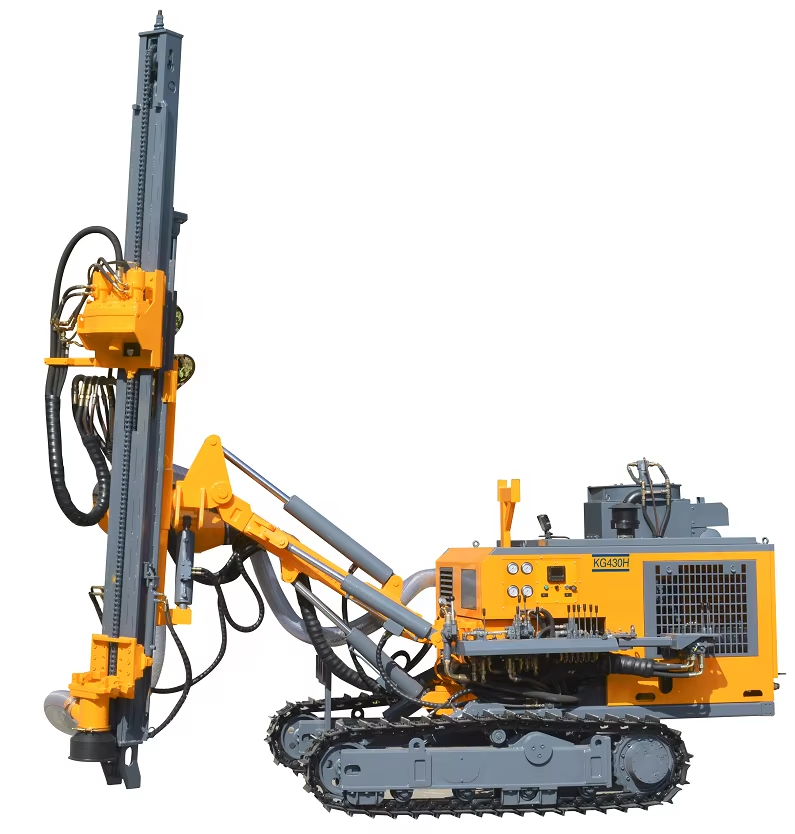
Systematic Drill Rig Inspection for Early Failure Detection
Daily Visual Checks and Critical Indicator Monitoring
Proactive drill rig maintenance begins with daily visual inspections to catch minor issues before they escalate. Operators should systematically examine:
- Hydraulic lines for leaks, abrasions, or bulges
- Drill pipe threads for cracks or deformation
- Structural welds and mounting points for stress fractures
- Gauges and sensors for abnormal pressure/temperature readings
Documenting these observations in maintenance logs enables trend analysis—revealing recurring problems like premature hose degradation. Consistent monitoring reduces unplanned downtime by 23%, per industry reliability studies.
Hydraulic System Integrity Assessment: Hoses, Valves, Pumps, and Reservoirs
Hydraulic failures account for over 40% of drill rig breakdowns. Weekly integrity assessments should prioritize:
| Component | Inspection Focus | Failure Risk Indicator |
|---|---|---|
| Hoses & Fittings | Abrasion patterns, fitting corrosion | Fluid seepage at connection points |
| Control Valves | Response lag, erratic movements | Uncommanded actuator movements |
| Pump Assemblies | Unusual vibrations, temperature spikes | 10% flow rate deviation |
| Reservoirs | Fluid contamination, aeration | Milky oil appearance |
Replace components showing wear beyond manufacturer tolerances immediately. Flush systems when particulate counts exceed ISO 4406 18/16/13 standards.
Effective Drill Rig Cleaning to Prevent Corrosion and Performance Loss
Thorough cleaning is a non-negotiable pillar of drill rig maintenance, directly combating corrosion and mechanical degradation that erode operational efficiency. Neglecting this accelerates wear on critical components, increasing downtime by up to 30%.
Drill Pipe Thread Care, Surface Decontamination, and Climate-Controlled Storage
Implement a systematic three-stage cleaning protocol after every shift:
- Thread Inspection & Brushing: Remove debris from pipe threads using nylon brushes to prevent galling during connections. Damaged threads increase connection failures by 40%.
- Solvent-Based Decontamination: Apply non-corrosive, material-compatible solvents to dissolve drilling mud and rock residues. Pressure washing alone leaves abrasive particles that accelerate wear.
- Controlled Drying & Storage: Utilize dehumidified storage below 50% RH to prevent flash rust. Moisture trapped in DTH (Down-The-Hole) hammer assemblies is the primary cause of valve seat corrosion.
Hydraulic Fluid Contamination Control During Cleaning Operations
Cleaning introduces contamination risks to hydraulic systems—a leading cause of pump failures. Mitigate this through:
- Port Sealing: Cap all hydraulic ports before cleaning to exclude water and particulates
- Drip Tray Deployment: Place containment trays under connections to capture fluid runoff
- ISO 4406 Compliance Checks: Verify fluid cleanliness reaches ≥18/16/13 standard post-cleaning using particle counters
| Contaminant Source | Prevention Method | Impact if Ignored |
|---|---|---|
| Water Ingress | Desiccant breathers | Hydraulic fluid oxidation |
| Airborne Particles | Sealed cabinets | Valve spool scoring |
| Cleaning Residues | Post-wash verification | Pump cavitation |
Transition components directly from cleaning stations to lubrication bays within 2 hours to prevent surface oxidation. This integrated approach reduces corrosion-related replacements by 60% while maintaining peak hydraulic efficiency.
Precision Lubrication Protocols for Rotary and Drive Systems
Grease Selection and Application for Rotary Components (Swivels, Kelly Bushings, Top Drives)
Choosing the right grease really depends on how well it works across different temperatures and whether it has those special additives that handle the heavy pressure from rotary drilling operations. When dealing with temps above 250 degrees Fahrenheit, most professionals go with either lithium complex or polyurea-based products. Getting the application just right matters too. Automated dispensers with proper calibration are essential because putting on too much grease not only wastes around 15% each year but also tends to pull in dirt and other harmful particles. With swivel components, keep applying until old stuff starts coming out, then give it a good wipe down. As for top drives, they generally need bearings that come pre-sealed for life along with high-speed grease formulations. Make sure there are purge ports available since regular maintenance checks should happen every 500 operating hours or so.
Drive Chain Tension Calibration and Lubrication Timing Based on Load Cycles
Keep drive chain tension between 2 to 4 percent elongation when checking with laser tension gauges. Lubrication should happen roughly every 8 hours when running at heavy loads over 80% capacity, or stretch that out to around 12 hours for moderate workloads. Drip-feed systems work best with sticky EP grease that gets into those chain rollers without creating messy overspray. For chains working in places where there's lots of silica dust floating around, give them a good solvent flush once a week before applying fresh lube. Chains that are too loose will wear down sprockets about 30% faster according to ASME B29 standards, whereas ones that are too tight actually eat up about 18% more power. Maintenance folks often find it helpful to time their relubrication schedule alongside vibration analysis reports since this helps spot those annoying uneven wear spots early on.
Integrating Drill Rig Maintenance into a Proactive Operational Schedule
Transitioning from reactive fixes to a structured maintenance strategy transforms drill rig reliability and cost efficiency. A comprehensive preventive maintenance program—anchored in scheduled inspections, lubrication, and cleaning—reduces unplanned downtime by 30–50% and extends component lifespan by 25–40%. Key elements include:
- Time-Based Scheduling: Aligning tasks like hydraulic checks or chain lubrication with manufacturer-recommended intervals.
- Condition Monitoring: Using sensor data (vibration, temperature) to trigger maintenance before failures occur.
- Workflow Integration: Embedding maintenance windows into shift rotations to avoid operational conflicts.
- Documentation Systems: Logging all actions in digital platforms to track trends and compliance.
Operators who implement proactive scheduling frameworks report 20% lower repair costs and 15% higher drilling efficiency annually. This systematic approach turns maintenance from a cost center into a strategic asset.
FAQ
Why is daily visual inspection important for drill rigs?
Daily visual inspections help identify minor issues before they escalate, reducing unplanned downtime by 23%, as observed in industry reliability studies.
What are the main components that should be checked in drill rig maintenance?
Operators should focus on checking hydraulic lines, drill pipe threads, structural welds and mounting points, as well as gauges and sensors for abnormalities.
What percentage do hydraulic failures account for in drill rig breakdowns?
Hydraulic failures account for over 40% of drill rig breakdowns, making regular weekly integrity assessments crucial.
How does proper lubrication benefit drill rig components?
Proper lubrication ensures efficient performance by reducing wear and tear, therefore extending the lifespan of components and preventing power wastage.
What impact does combining cleaning with hydraulic systems maintenance have?
An integrated maintenance schedule that includes cleaning and hydraulic maintenance reduces corrosion-related replacements by 60% and ensures peak hydraulic efficiency.
Table of Contents
- Systematic Drill Rig Inspection for Early Failure Detection
- Effective Drill Rig Cleaning to Prevent Corrosion and Performance Loss
- Precision Lubrication Protocols for Rotary and Drive Systems
- Integrating Drill Rig Maintenance into a Proactive Operational Schedule
-
FAQ
- Why is daily visual inspection important for drill rigs?
- What are the main components that should be checked in drill rig maintenance?
- What percentage do hydraulic failures account for in drill rig breakdowns?
- How does proper lubrication benefit drill rig components?
- What impact does combining cleaning with hydraulic systems maintenance have?