
 EN
EN
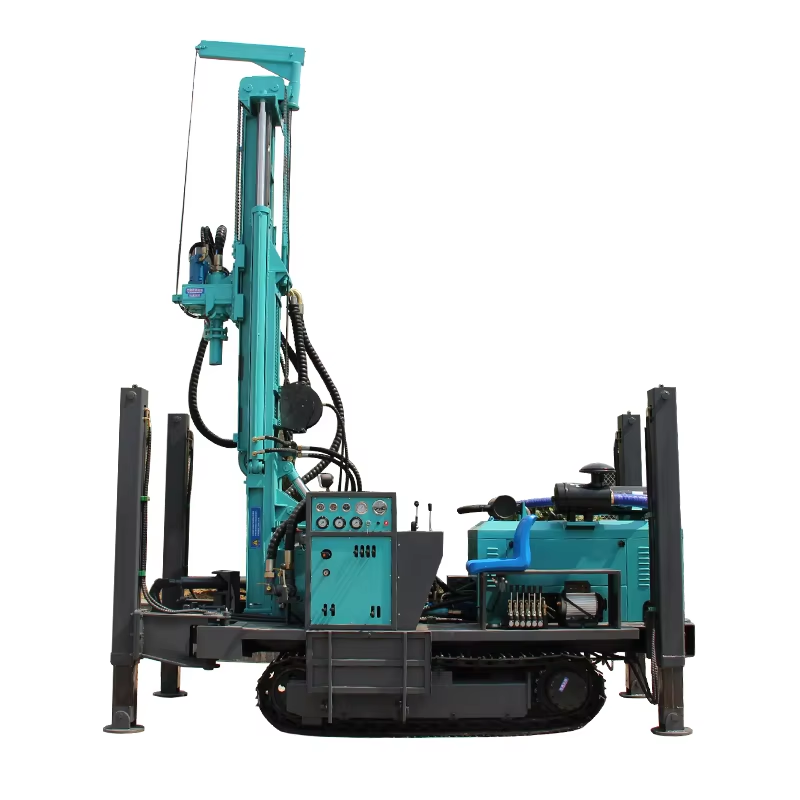
Optimizing Rock Drilling Tools Design for Hard and Abrasive Formations
Cutter geometry and drill bit—rock interaction mechanics
The angle at which cutters are engineered plays a major role in how fractures develop within tough rock formations such as granite and quartzite. When using steeper attack angles around 45 to 60 degrees, the stress gets concentrated just right to start those tiny cracks forming efficiently in solid rock masses. On the flip side, flatter angles between 15 and 30 degrees help avoid getting stuck in already broken or inconsistent rock sections during drilling operations. Getting the match right between cutter shape and the rock's unconfined compressive strength (UCS) can actually increase how fast the drill goes through the ground by nearly 20 percent. For those working in quartz rich areas where everything tends to wear down tools so quickly, switching to tungsten carbide inserts shaped in a parabola cuts down on tool wear by almost 37% compared to regular chisel style designs according to recent research published in the Journal of Drilling Technology back in 2023. And let's not forget about those flute channels either. When properly optimized, they really boost overall efficiency because they speed up removal of all that debris from the hole. Without this, we'd be wasting somewhere around 30% of our precious drill energy just trying to grind up material that should have been removed already.
Advanced diamond composite materials and bit configurations for extended life
Diamond composites embedded in matrix materials can dramatically increase service life when working through tough formations like basalt or volcanic tuff, where standard drill bits typically give up after about 50 operating hours. The PDC cutters, which stands for polycrystalline diamond compact, are attached to substrates that hold up well even when exposed to formation temps over 300 degrees Celsius. Some newer hybrid bit designs combine both conical and disc shaped components, spreading out the shock from impacts much better than traditional designs. Field tests show this approach extends bit life nearly 2.5 times longer in porphyry copper mining operations. Recent improvements also feature special nano-diamond coatings that cut down on surface friction by around 40 percent, blades arranged in ways that absorb sudden shocks, and cutting systems that keep sharpening themselves during operation to maintain steady rate of penetration. All these technological upgrades mean drillers need to replace bits roughly 60% less frequently when dealing with ultra hard rock conditions.
Selecting and Tuning Drilling Parameters for Maximum Rock Drilling Tools Performance
Weight-on-bit, RPM, and impact frequency: balancing penetration rate and tool longevity
Getting the right mix of weight on bit (WOB), rotation speed (RPM), and how often impacts happen really depends on what kind of rock we're dealing with. When there's too much pressure on the bit, especially in rough rocks, tools just wear out faster. But not enough pressure means drilling progress slows down considerably. From our field observations, tough granite formations need something like over 15 tons of weight on the bit combined with pretty slow rotations around 15 to 20 rpm to avoid overheating and breaking down equipment. For softer stuff like limestone, keeping WOB below 10 tons works best when spinning the drill at 30 rpm or more. The frequency of impacts matters too. Rocks that crack easily respond well to frequent pulses which can boost output by about 20% give or take. However, pushing this approach without proper understanding can actually break tool connections prematurely in certain conditions.
Geological adaptability: matching parameters to rock hardness and abrasivity
Tailoring drilling parameters to geological properties is essential for avoiding avoidable downtime. The table below summarizes evidence-based adjustments:
| Rock Type | Hardness (Mohs) | Recommended Parameters |
|---|---|---|
| Soft Limestone | 3—4 | Low WOB (8—10 tons), High RPM (30—40 rpm) |
| Granite | 6—7 | High WOB (15 tons), Low RPM (15—20 rpm) |
| Abrasive Quartzite | 7 | Medium WOB, Reduced RPM + Enhanced flushing |
In highly abrasive formations, reduced rotational speeds mitigate cutter heat buildup and edge erosion. Real-time telemetry enables immediate hammer pressure adjustments when encountering fracture zones—field studies show this responsiveness extends bit life by 17% (Field Study 2023).
Integrating Rock Drilling Tools into a High-Efficiency Drilling System
Seamless compatibility of DTH bits, drill rods, stabilizers, and rig interfaces
Rock drilling tools really shine when they're seen as parts of a working system rather than just separate pieces thrown together. When Down-The-Hole (DTH) hammer bits, drill rods, stabilizers, and rig interfaces all play nicely together, we see around a 15 to 20 percent drop in energy loss and significantly less wear from vibrations. Take DTH button bits for instance. Those with good flushing channels pair up nicely with drill rods that have consistent inner diameters, keeping the air flowing properly through the system so cuttings don't get stuck inside the hammer mechanism. If stabilizers are out of alignment or rods develop cracks, problems start multiplying fast and equipment fails sooner than expected. Modern rig control systems now adjust impact frequency automatically based on what's happening downhole in real time. This creates a kind of feedback loop where everything works better together, and field tests show tool life can stretch an extra 30% in tough, abrasive rock conditions.
Extending Service Life Through Proactive Maintenance and Digital Monitoring
When companies start implementing proactive maintenance alongside digital monitoring systems, rock drilling tools stop being just throwaway items and become valuable parts of their operation strategy. Moving away from waiting for breakdowns to fixing problems based on actual data can cut unexpected downtime by about 45 percent according to Sterling Access research from 2025. These smart sensors attached to the equipment keep checking things like how much it's vibrating, what temperature it runs at, the amount of force applied, and even sounds that might indicate trouble spots. The data goes into computer programs that spot early signs of wear long before anything actually breaks down. When these warning signals come through, technicians know exactly when to schedule maintenance work so they don't have to rush into expensive emergency fixes. Big mining companies are already seeing results from this kind of system. They're able to replace tools at better times depending on different rock types, which means their drills last roughly 22% longer on average while also saving money overall in the long run.
FAQ
What is the significance of cutter geometry in rock drilling?
Cutter geometry influences how fractures develop within rock formations. Steeper angles enhance crack formation, while flatter angles help avoid getting stuck in broken rock sections.
How do advanced diamond composites improve drill bit longevity?
Diamond composites in matrix materials significantly extend service life in tough formations by offering better heat resistance and impact shock absorption.
What role does proactive maintenance play in rock drilling tools?
Proactive maintenance, using digital monitoring systems, transforms tools from disposable items to valuable assets, reducing downtime and extending tool lifespan.
Table of Contents
- Optimizing Rock Drilling Tools Design for Hard and Abrasive Formations
- Selecting and Tuning Drilling Parameters for Maximum Rock Drilling Tools Performance
- Integrating Rock Drilling Tools into a High-Efficiency Drilling System
- Extending Service Life Through Proactive Maintenance and Digital Monitoring
- FAQ