
 EN
EN
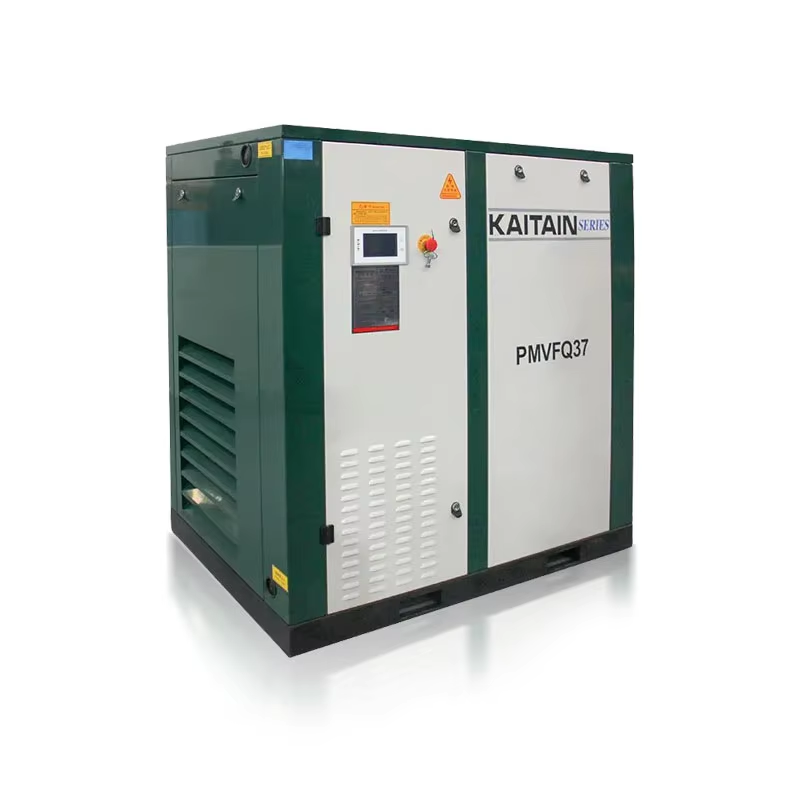
Understanding Industrial Air Compressor Noise: Sources and Workplace Impact
Common Causes of Noise in Industrial Air Compressors (Motor, Vibration, Airflow)
Noise from industrial air compressors comes mainly from three areas: the motor running, parts vibrating mechanically, and air moving turbulently through the system. The electric motors themselves make electromagnetic noises when they go through their compression cycles. Meanwhile, things like pistons or screw components that aren't perfectly balanced will shake the whole unit as they rotate. Then there's the high pitched whine coming from air intake valves and those discharge ports where compressed air shoots out at speeds over 140 meters per second. All these different noise sources tend to pile up on each other. Poorly designed compressor cabinets can actually make the overall noise worse too, sometimes increasing sound levels by around 15 to 20 percent because of how vibrations resonate within the metal casing.
Typical Decibel Levels by Component and Their Safety Implications
Decibel (dB) measurements reveal critical safety thresholds across compressor subsystems:
| Component | Noise Range | Risk Threshold (OSHA) |
|---|---|---|
| Motor Housing | 75–82 dB | 85 dB (8-hour exposure) |
| Air Intake Valve | 88–94 dB | Requires PPE above 90 dB |
| Vibration Panels | 78–86 dB | Cumulative hearing loss risk |
Data from the 2025 Industrial Noise Control Report shows 63% of maintenance technicians experience noise-induced hearing loss when exposed to compressors exceeding 87 dB daily.
How Excessive Noise Affects Worker Health, Safety, and Productivity
When workers are exposed to compressor noise over 85 decibels for extended periods, their cognitive abilities drop around 22%, and accidents at work go up by about 34% because people just can't hear each other properly. According to some recent research on worker health, folks in loud workplaces actually need roughly 18% more breaks just to stay productive, which obviously affects how much gets made on the factory floor. And let's not forget those low frequency vibrations below 200 hertz that give 41% of machine operators terrible headaches after working six hours straight. All these numbers point to one thing clear as day we really need better ways to control all this noise in industrial settings.
Engineering Low Noise into Industrial Air Compressors: Key Design Principles
Core Features of Silent Air Compressor Technology
Silent air compressors today rely on several clever engineering tricks to cut down on noise. First off, they use specially designed helical screw rotors that slash pulsation noise by around 40%. Then there are these turbo cooled manifolds that stop those annoying sounds caused when metal expands from heat. And finally, the air intake systems have been shaped to reduce turbulence, which is actually one of the main culprits behind mid-range frequencies that really grate on our ears. With all these improvements, top quality units can run as quietly as 65 decibels from just one meter away, roughly the same volume level as someone talking normally across a room.
Vibration Dampening and Isolation Techniques for Noise Reduction
Multi-stage vibration control systems address noise at its source:
| Component | Solution | Noise Reduction |
|---|---|---|
| Motor Mounts | Hydraulic isolators | Up to 12 dB |
| Piping Systems | Flexible polymer connectors | 8-10 dB |
| Chassis | Spring-damped floating platforms | 15 dB |
Field tests show combining these methods reduces structural-borne noise transmission by 80%, particularly in the 200–5000 Hz range most harmful to human hearing.
Sound-Absorbing Materials and Acoustic Enclosures in Compressor Design
Noise control gets a major boost thanks to advanced composite materials. Take those three layer enclosure walls made of steel foam sandwiched between steel sheets they can cut down on noise by as much as 30 dB. And dont forget about those micro perforated acoustic panels which soak up around 95 percent of all that high frequency noise above 2 kHz. Then there are directional exhaust silencers that actually steer sound waves away from workers instead of just letting them bounce around everywhere. All these improvements mean big compressors rated at 75 CFM or more can run quietly under 70 dB(A) while still moving plenty of air through the system. Its basically winning at both ends keeping things safe for employees but not losing out on power either.
Comparing Low-Noise Industrial Air Compressor Types and Performance
Noise Levels Across Rotary Screw, Reciprocating, and Centrifugal Compressors
Modern industrial air compressor designs vary significantly in noise output, with decibel (dB) levels directly impacting workplace safety and usability.
| Compressor Type | Noise Range (dB) | Common Applications |
|---|---|---|
| Reciprocating | 85–95 | Small workshops, intermittent use |
| Rotary Screw | 70–75 | Manufacturing floors, continuous use |
| Centrifugal | 75–85 | Large-scale chemical/power plants |
Reciprocating compressors generate higher noise due to piston-driven mechanics, often requiring isolation rooms to comply with OSHA’s 85 dB limit. In contrast, rotary screw compressors achieve quieter operation through twin helical screws that minimize vibration, making them ideal for environments where clear communication is essential.
Why Rotary Screw Compressors Lead in Quiet, Large-Capacity Applications
The rotary screw compressor really shines in settings where noise matters most, largely because of how they balance airflow and come with built-in sound dampening features. These machines typically run around 70 to 75 decibels, which actually meets what the EPA suggests for indoor equipment operation. That means companies don't have to spend extra money on retrofitting later on. What's interesting is that these compressors also feature better vibration isolation and thermal efficiency in their casings, leading to about 30 to 40 percent longer time between maintenance checks when compared to older reciprocating models. The fact that they operate quietly while still delivering strong CFM output explains why so many automotive manufacturers and food processors rely heavily on this technology across their production facilities.
Note: Noise ranges reflect measurements at 1 meter distance under ISO 2151 testing standards.
Proven Strategies for Industrial Air Compressor Noise Control
Effective Use of Vibration Isolators and Mounts
Around 30 to 40 percent of all noise coming from industrial air compressors is actually caused by vibration. When companies install anti-vibration mounts using materials like rubber or neoprene, they typically see a reduction in structural noise transmission somewhere between 15 and 20 decibels. Larger capacity units need something more robust though. Spring isolators combined with inertia bases work best for these applications since they stop those annoying low frequency vibrations from traveling through the building framework. According to recent research published in an industry acoustic study last year, when workers are exposed to harmful frequencies below 200 Hz, proper installation of these isolation systems can cut their exposure levels nearly in half, around 42% according to the findings.
Optimal Placement and Enclosure Solutions for Noise Management
Putting compressors about 8 to 10 meters away from where people work helps cut down on noise naturally. If there's not enough room for that spacing though, going with double wall enclosures filled with around 5 cm of mineral wool insulation works pretty well too, cutting down airborne noise somewhere in the ballpark of 25 decibels. To get the best results possible, make sure exhaust vents point away from workers whenever possible. Also worth considering are those special baffled intake systems that mess with sound wave patterns before they spread out. Don't forget to put flexible connectors between the pipes and whatever enclosure we're using either. And let's talk about acoustic barriers here real quick - these composite material things actually soak up roughly 90 percent of the mid range noises coming off compressors according to what most manufacturers report.
Routine Maintenance to Sustain Low Noise and Extend Equipment Life
Components that have seen better days tend to crank up the noise level somewhere around 6 to 8 decibels each year. Regular maintenance matters a lot here. Checking belt tension on a monthly basis is essential since belts that are too tight can actually boost noise levels by about 3 dB. Bearings need proper lubrication every three months using those ISO VG 32-68 oils. And don't forget to replace intake filters once a year because when they get clogged, motors end up working harder at roughly 18% increased RPMs. Facilities that implement predictive maintenance strategies typically see about 30% reduction in those pesky OSHA noise complaints. For anyone dealing with reciprocating compressors, seal inspections become absolutely vital as these seals account for most of the air leak noise problems we encounter in the field.
Benefits of Low-Noise, Large-Capacity Industrial Air Compressors
Improved Work Environment and Regulatory Compliance
Quiet compressors run around 75 to 82 decibels, which is way below OSHA's 90 dB limit for workers during an eight hour day. The lower noise levels mean less risk of hearing damage and reduced stress on the job. Studies show workplaces with quieter environments see about 19 percent fewer mistakes caused by worker fatigue. Companies also stay out of trouble with city noise regulations and meet international safety standards like ISO 45001. When factories keep noise down, employees actually work better together and get things done faster without all that background racket getting in the way.
Energy Efficiency, Reliability, and Long-Term Cost Savings
Today's quiet compressors usually come with variable speed drives (VSDs) that match motor power to actual needs, which can slash energy consumption between 30 and 70 percent compared to older fixed speed models. Take a standard 100 horsepower unit for instance running on VSD technology. At current electricity rates around $0.12 per kilowatt hour, such a compressor could save roughly eighteen thousand dollars each year just on power bills alone. The machines also incorporate vibration dampening parts that make them last longer. Industry reports suggest equipment lifespan increases anywhere from 15% to 25%, meaning fewer breakdowns and less time spent waiting for repairs. Maintenance expenses drop significantly too, plus companies operating under OSHA standards might see their insurance costs go down as well. Most businesses find these systems pay for themselves within one to three years, making them not only cost effective but also environmentally friendly choices for modern manufacturing setups.
FAQ
What causes noise in industrial air compressors?
Noise in industrial air compressors primarily arises from motor operation, mechanical vibration, and turbulent airflow. Structural design and component imbalance can exacerbate the overall noise levels.
How does noise impact the workplace?
Excessive noise can decrease cognitive performance, increase accident rates, and result in headaches for machine operators. It often leads to a need for more breaks and affects overall productivity.
What are the benefits of using low-noise compressors?
Low-noise compressors improve workplace safety and productivity, comply with regulations, enhance energy efficiency, and provide cost savings over time.
How can noise be reduced in industrial settings?
Noise can be reduced through engineering advancements, optimal placement, and regular maintenance, using techniques such as vibration isolation, sound-absorbing materials, and acoustic enclosures.
Table of Contents
- Understanding Industrial Air Compressor Noise: Sources and Workplace Impact
- Engineering Low Noise into Industrial Air Compressors: Key Design Principles
- Comparing Low-Noise Industrial Air Compressor Types and Performance
- Proven Strategies for Industrial Air Compressor Noise Control
- Benefits of Low-Noise, Large-Capacity Industrial Air Compressors
- FAQ