
 EN
EN
Understanding Air Compressor Types and Core Technologies
Getting the right air compressor for industrial work means finding something that works well across several factors at once. There are basically three main types of compressors out there, each good for different jobs. Reciprocating piston models tend to do best when pressure is needed intermittently, usually between around 30 to 175 psi. For places running nonstop, rotary screw compressors are typically the go-to choice, capable of handling outputs from about 20 up to over 3,000 cubic feet per minute. Then we have centrifugal compressors which come into play mainly in massive facilities where volumes exceed 10,000 CFM. Each technology has its own strengths and weaknesses worth considering based on what exactly the operation needs day to day.
| Type | Compression Mechanism | Ideal Pressure Range | Flow Capacity | Key Application Context |
|---|---|---|---|---|
| Reciprocating | Piston-driven chambers | 30–175 PSI | Low–mid CFM | Workshops, intermittent use |
| Rotary Screw | Intermeshing helical rotors | 50–150 PSI | Mid–high CFM | Factories, continuous runtime |
| Centrifugal | High-speed impeller | 100–1000+ PSI | Very high CFM | Large plants, steady demand |
Looking at how different systems consume energy shows there are real tradeoffs to consider when choosing equipment. Rotary screw compressors typically hit around 75 to 85 percent efficiency when running at full power, but centrifugal units have their own advantages since they keep pretty steady performance from just 5 percent all the way up to 100 percent airflow. The catch is these need proper control during low demand periods to avoid dangerous surges. Reciprocating models aren't faring so well either, dropping off by about 20 to 30 percent in efficiency once they drop below 70 percent capacity. According to research from the U.S. Department of Energy back in 2022, getting compressor sizing right matters a lot because mismatched units can waste nearly a third of total industrial energy usage. That's where variable speed drives come into play, adjusting motor output based on what's actually needed at any given moment which makes them particularly useful in facilities with fluctuating demands. And let's not forget about thermodynamics either. Adiabatic efficiency basically tells us how much actual work gets converted into usable output, whereas volumetric efficiency gives insight into those pesky losses caused by leaks under normal operating pressures.
Matching Air Compressor Specifications to Your Operational Needs
CFM, PSI, and Duty Cycle Requirements
Getting specs right begins with looking at three main factors: CFM or Cubic Feet per Minute, PSI meaning Pounds per Square Inch, and what's called duty cycle. For CFM calculations, figure out how much airflow each tool needs then add about 25% extra to account for peaks and system inefficiencies. The PSI level needs to beat the most demanding tool's requirements by around 15 to 20 pounds so there's enough headroom after pressure drops through pipes and filters. Duty cycle refers to how long the compressor runs while actually working hard. Most industrial settings want something that can handle 70% to full time operation. Plants needing nonstop airflow shouldn't settle for anything less than an 80% duty cycle compressor since lower ratings risk overheating problems and early breakdowns. When companies undersize their compressed air systems, they pay the price in lost production. Recent studies of factory air systems found output dropped nearly 27% in facilities where equipment wasn't properly matched to demand according to ENERGY STAR data from last year.
Power Source and Environmental Considerations
Choosing between electric, diesel, or natural gas power sources really comes down to what kind of mobility is needed and what the facility has available. Electric compressors tend to save money over time when they stay put somewhere, but most big industrial jobs need three phase power to run them properly. For places where equipment moves around a lot, like construction sites, diesel engines are still the go to option even though they burn more fuel and pollute more. Weather matters too. Airflow gets weaker as elevation increases roughly 3% for every thousand feet gained. And if temps get above 95 degrees Fahrenheit, output needs to be reduced about 1% for each additional four degree increase. Indoors? Make sure there's enough fresh air circulating because heat buildup inside can shorten the life of a compressor by as much as thirty percent. When working near schools or hospitals where noise levels must stay below seventy decibels, acoustic enclosures work well or look into variable speed drive models which cut down on unwanted sound without sacrificing too much efficiency.
Evaluating Energy Efficiency and Total Cost of Ownership
When selecting industrial air compressor systems, energy consumption represents roughly 80% of lifetime costs (Compressed Air Challenge, 2022). Forward-thinking operators prioritize both efficiency metrics and comprehensive ownership expense calculations.
VSD vs. Fixed-Speed Compressors
VSD compressors work by changing how fast their motors spin based on what the factory actually needs right now, which means they don't waste power when things are running at lower capacity. Fixed speed models just keep going at maximum all the time no matter what, but VSD tech can slash energy bills by around 25 to 35 percent for manufacturers dealing with those ups and downs in production schedules. The savings show up on the bottom line while also making systems react better to changes throughout the day. And best part? Pressure stays stable even as speeds change, so there's no drop off in performance quality.
Maintenance Costs and Lifecycle Expectancy
The upfront price tag isn't everything when it comes to industrial compressors. What really matters over time is how much they need to be maintained and how long they actually last before needing replacement. Most compressors that get proper care can run reliably for around 15 to maybe even 20 years. But skip those routine things like changing filters, checking oil quality, and managing heat buildup? The compressor will start breaking down more often pretty quickly. Variable speed drive models do cut down on wear and tear since they don't have to keep stopping and starting all the time. Still worth noting though, these fancy electronic components might need special attention from technicians who know what they're doing. Set aside some money each year for regular checkups, probably somewhere between 1% and 3% of what was paid originally. And don't forget about unexpected breakdowns either because when a compressor goes down during critical production periods, the costs pile up fast beyond just repair bills.
Key Selection Criteria for Reliable Industrial Air Compressor Deployment
Noise Levels, Cooling, and Installation Space
Noise control should be at the top of any industrial facility's priority list if they want to stay within OSHA regulations (that 85 dB limit on average exposure) and keep workers safe from hearing damage. The choice between different cooling methods really affects how reliable equipment stays over time. Air cooled systems work pretty well for places with milder weather and require less complicated maintenance tasks. Water cooled compressors though? They handle temperature fluctuations much better when ambient temperatures rise, offering around 15 percent improvement in stability according to recent studies from the U.S. Department of Energy back in 2023. Getting enough room around machinery isn't just about aesthetics either. Proper spacing stops heat from building up inside enclosures and makes it easier for technicians to perform regular checks and repairs. The exact amount of clearance needed depends on what kind of cooling system is installed and the power rating of the equipment too.
| Factor | Air-Cooled Requirement | Water-Cooled Requirement |
|---|---|---|
| Side Clearance | ≥3 feet | ≥2 feet |
| Ceiling Height | ≥7 feet | ≥6 feet |
| Ventilation Area | 1.5× compressor size | 1× compressor size |
Integration with Air Treatment and Distribution Systems
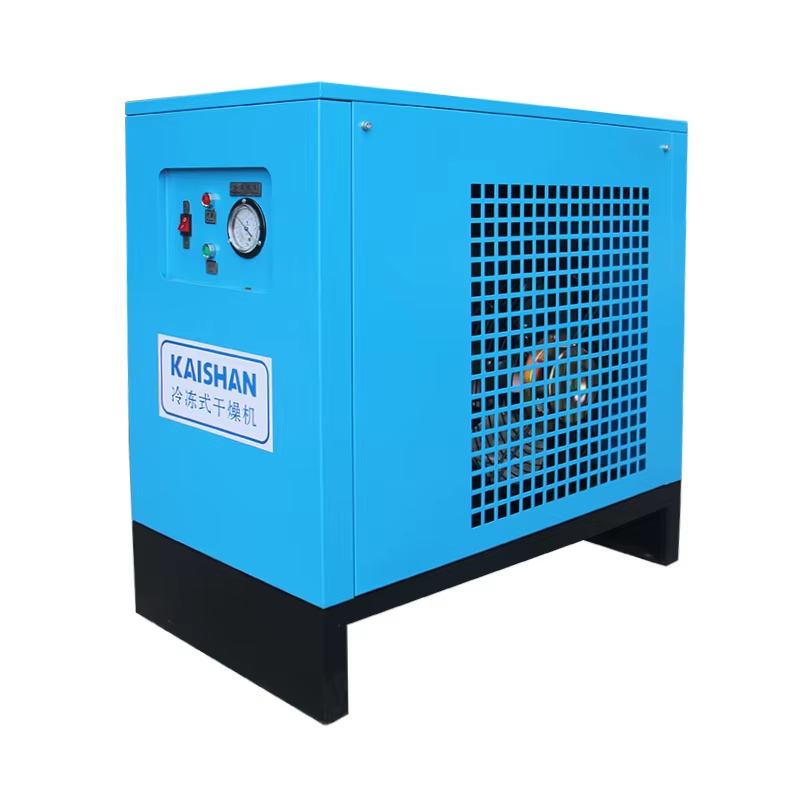
The quality of compressed air really hinges on how well it integrates with proper filtration systems, drying equipment, and regulation components throughout the setup. Good particulate filters can knock out about 99 percent of stuff floating around in the air, even particles as tiny as 0.01 microns. Refrigerant dryers keep things dry enough so the dew point stays around 35 degrees Fahrenheit, which meets those ISO standards most pneumatic tools require these days. What kind of pipe we run through the facility makes a difference too. Aluminum pipes actually cut down pressure loss by roughly 3 to 5 percent when compared against steel alternatives. Getting the right balance between what the compressors put out and what gets used downstream is critical. When companies don't match these properly, they end up wasting energy through constant start-stop cycles. And according to some industry research from last year, having undersized compressors can slash productivity by nearly 18 percent during busy periods.
FAQ
What are the main types of air compressors?
The three main types of air compressors are reciprocating piston models, rotary screw compressors, and centrifugal compressors. Each type suits different applications based on their output and efficiency.
How do variable speed drives benefit air compressors?
Variable speed drives adapt motor speed based on demand, enhancing efficiency and lowering energy costs, especially in facilities with fluctuating airflow needs.
Why is compressor sizing important?
Proper sizing prevents energy waste and production losses, as mismatched units can lead to inefficiencies and increased operational costs.
What factors influence air compressor power source choice?
Choices between electric, diesel, or natural gas power depend on mobility needs and the available resources at the facility.