
 EN
EN
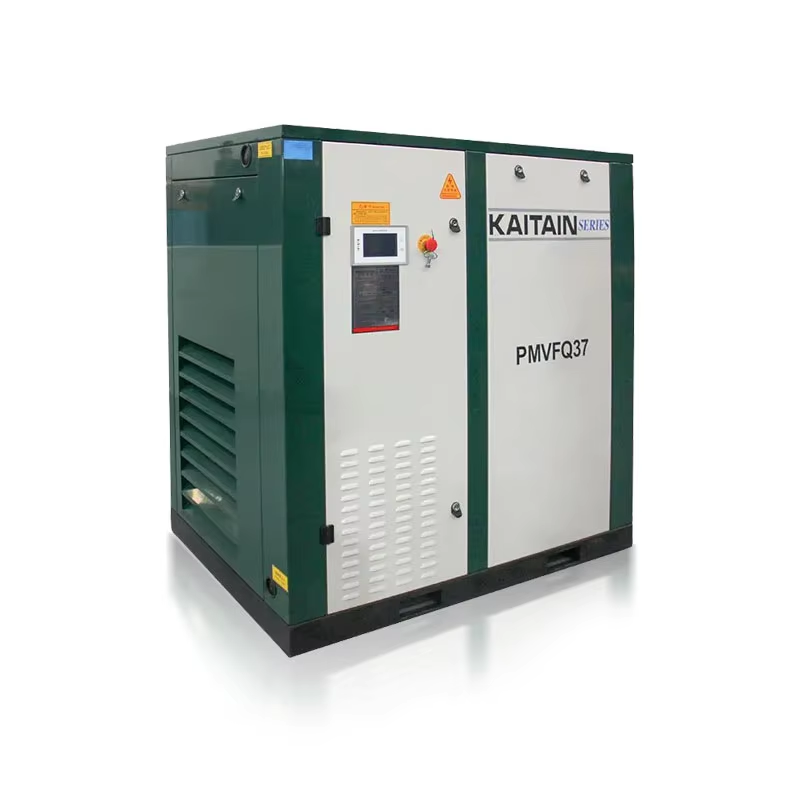
DTH Hammer Air Demand: Why Both PSI and CFM Are Non-Negotiable
The Dual-Parameter Rule: Minimum Pressure and Minimum Flow Must Be Met Simultaneously
DTH hammers need both enough pressure (PSI) and proper airflow (CFM) at the same time to work right. The pressure creates the actual impact force needed to break through rock, usually around 350 to 500 PSI for decent results. Airflow keeps the piston moving back and forth properly. When either of these numbers drops below what's needed, things stop working. Low pressure means weak hits that just bounce off tough rock layers. Not enough air causes the piston to stall out completely or act all over the place. Looking at field reports, about two thirds of early DTH hammer problems come down to getting the air supply wrong. Compressors should hit both targets together. Focusing too much on one number while ignoring the other just leads to headaches later on. Take a compressor that gives 500 CFM but only 200 PSI. It won't cut it if the hammer needs at least 350 PSI, no matter how good the airflow looks on paper. These two factors really depend on each other, so getting them both right is essential for keeping drilling operations running smoothly without constant breakdowns.
How Bit Diameter and Rock Hardness Scale CFM Requirements – Real-World Examples
CFM demand rises sharply with bit diameter and rock hardness. Larger bits increase annular volume, requiring higher CFM to maintain bailing velocity (≥2,500 ft/min). Harder rocks demand faster piston cycles, further escalating air consumption.
| Factor | Impact on CFM Requirement | Field Example |
|---|---|---|
| Bit diameter increase | Exponential growth | 6" vs. 4" bit: +60–80% CFM |
| Rock hardness (UCS*) | Linear scaling | Granite (200 MPa) vs. limestone (80 MPa): +40% CFM |
In practice:
- A 4" bit in soft shale operates at ~250 CFM
- The same bit in quartzite requires ~400 CFM
- A 6" bit in granite demands 600+ CFM
These variables compel drillers to oversize compressors by 25–30% to absorb geological uncertainty and avoid costly downtime.
UCS: Uniaxial Compressive Strength
Real-World Air Compressor Performance: Bridging the Gap Between Nameplate Ratings and Field Output
Nameplate CFM/PSI ratings assume ideal lab conditions–sea level, 70°F ambient temperature, zero hose losses–rarely matched on site. Three key factors erode real-world output:
Derating Factors: Altitude, Temperature, and Hose Losses That Reduce Effective CFM by Up to 28%
As altitude increases, air gets thinner too. For every thousand feet gained, air density decreases around 3%, which means less mass moving through the system. So at five thousand feet elevation, we're already looking at roughly 15% less airflow even before considering other factors. When ambient temps push past 100 degrees Fahrenheit, which happens frequently in places like mines and geothermal sites, capacity drops another 4 to 7%. Then there's the issue with hoses creating resistance. A standard 1 inch inside diameter hose will lose about 2 psi of pressure for each fifty feet run. Combine all these effects together and field tests show total losses can climb as high as 28% under extreme conditions. That explains why a compressor rated at 500 cubic feet per minute might actually only produce closer to 360 CFM when connected to tools at height and temperature extremes.
Why 100% Duty Cycle – Sustained Rated CFM at Target PSI – Understanding Compressor Duty Cycles
When we talk about a compressor running at 100% duty cycle, it basically means it can work non-stop without overheating and shutting down. But here's the catch – this doesn't necessarily mean good airflow will be maintained under actual working conditions. Most standard compressors only hit their rated CFM output when operating at lower pressures around 70 to 90 psi. However, Down The Hole (DTH) hammers need much higher pressures, typically between 250 and 350 psi for proper function. And at these high pressure levels, something interesting happens: the efficiency of both piston and screw type compressors actually falls by as much as 18%. Another issue is heat accumulation over time which affects motor performance and makes airflow less stable throughout operations. For anyone serious about getting reliable results, looking at the manufacturer's performance charts specifically for their intended pressure range is essential, not just checking duty cycle specs or those tempting low pressure numbers on the label.
Bailing Velocity: The Critical CFM Threshold for Hole Cleaning and Drilling Efficiency
Minimum Bailing Velocity (≥2,500 ft/min) Dictates CFM – Not Just Hammer Operation
Getting at least 2,500 feet per minute annular velocity isn't just nice to have it's actually critical for getting rid of cuttings properly. When we hit this level, the debris gets flushed out of the hole before it can settle down there. Otherwise stuff just keeps going around again, which leads to problems like bit balling and those annoying torque spikes that can drop our drilling speed anywhere between 15% to 40%. What makes this interesting is that this requirement stands on its own regardless of what the hammer needs for air. A lot of operators make the mistake of sizing their compressors only based on hammer specifications while completely ignoring bailing velocity requirements. That approach usually ends up costing them both time and money through reduced productivity plus much faster bit wear than expected.
CFM Scaling Formula: How Hole Diameter² and Depth Multiply Air Compressor Demand
Bailing CFM scales exponentially with hole dimensions. Use this field-validated formula:
Required CFM = (Hole Diameter in inches)² ÷ 4 × Depth Factor
-
Depth Factor:
- 1.0 for 0–100 ft
- 1.2 for 100–300 ft
- 1.5 for 300+ ft
Example: A 6-inch hole at 200 ft depth requires (6²) ÷ 4 × 1.2 = 173 CFM just for cuttings transport. When added to typical hammer demand (300–600 CFM), total air compressor requirement often exceeds 800 CFM. This multiplicative effect explains why compressors meeting nominal hammer specs still fail under real drilling conditions.
Selecting the Right Air Compressor by DTH Hammer Pressure Class
Getting the right air compressor matched to a DTH hammer's pressure class makes all the difference when it comes to how well things perform and how long they last. Low pressure hammers around 15 to 25 psi are fine for shallow stuff where the ground isn't holding together too well, but these just don't cut it when working through solid rock formations. Medium pressure systems in the 25 to 35 psi range offer a good middle ground between speed and control, which works great for most quarry operations and regular construction projects on site. The high pressure ones from 35 to 50 psi pack serious punch though, delivering that extra oomph needed for tough jobs like mining operations or drilling into hard rock for geothermal applications. What really matters though is matching what the compressor actually delivers at the drill bit itself, not just going by what's printed on the machine's label. When there's not enough pressure getting through, the hammer just can't generate proper impact force, parts wear out faster, and holes end up looking subpar. Some big name equipment maker did tests showing that when pressure classes don't match up properly, hammer life gets cut down about 40% and drilling speeds drop roughly 30%. Before finalizing any setup, check those pressure numbers carefully once all factors like hose drag, elevation changes, and ambient temperatures have been factored in. Real world testing data tells a much better story than what manufacturers put in their brochures.
FAQ
What is the impact of bit diameter on CFM requirements?
The bit diameter significantly affects CFM requirements, with larger bits requiring exponentially more airflow to maintain proper drilling efficiency.
Why is bailing velocity important in drilling operations?
Bailing velocity, which should be at least 2,500 ft/min, is crucial for effectively clearing debris, preventing bit clogging, and maintaining efficient drilling progress.
What factors reduce effective CFM in real-world conditions?
Altitude, high ambient temperatures, and hose losses can significantly reduce effective CFM output by up to 28% under extreme conditions.
Table of Contents
-
DTH Hammer Air Demand: Why Both PSI and CFM Are Non-Negotiable
- The Dual-Parameter Rule: Minimum Pressure and Minimum Flow Must Be Met Simultaneously
- How Bit Diameter and Rock Hardness Scale CFM Requirements – Real-World Examples
- Real-World Air Compressor Performance: Bridging the Gap Between Nameplate Ratings and Field Output
- Bailing Velocity: The Critical CFM Threshold for Hole Cleaning and Drilling Efficiency
- Selecting the Right Air Compressor by DTH Hammer Pressure Class
- FAQ