
 EN
EN
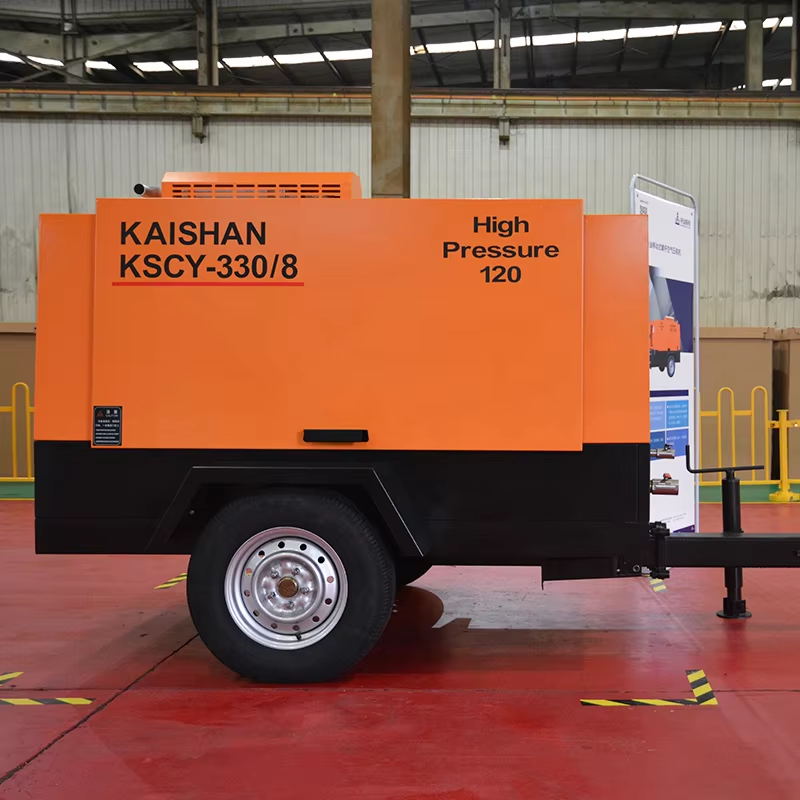
Off-Grid Power Independence with Diesel Mobile Air Compressors
Eliminating Grid Dependency Through High-Output Diesel Powertrains
In mining operations, diesel driven compressors give real freedom since they can produce compressed air without needing to connect to electrical grids. These mobile air compressors come with high torque engines ranging between 200 to 400 horsepower which keeps the air flowing at pressures from 20 to 40 bar. That kind of pressure is enough to run those big industrial drills and keep ventilation systems working properly. When there are no power outages, these compressors save companies around seven hundred forty thousand dollars every single hour. The Mining Operations Study from last year backs this up. Most top manufacturers have been focusing on making their machines more fuel efficient lately. They've improved things using turbocharged combustion technology, cutting down fuel usage by about thirty percent compared to older models. And despite all these improvements, field tests show these newer units still manage to stay running almost all the time with an impressive 98% uptime rate.
Truck-Mounted Mobility Enables Rapid Deployment Across Remote Mining Sites
Integrated chassis designs allow relocation within hours—versus fixed installations requiring weeks. Key advantages include:
- Terrain Adaptability: All-wheel-drive configurations access slopes up to 45° in open-pit mines
- Plug-and-Play Operation: Pre-assembled units reduce setup from days to under 4 hours
- Fuel Autonomy: 500L+ tanks enable 72-hour continuous drilling in gold and coal seams
This mobility cuts exploration costs by 18%, according to Australian mineral surveys, as crews bypass infrastructure delays when advancing into new claim areas.
Proven Durability and Reliability in Harsh Mining Environments
Dust Resistance, Vibration Damping, and IP65+ Enclosures
Mobile air compressors stand up against the brutal conditions found in mining operations thanks to their layered protective features. The pressurized cabinets come with IP65+ sealing which stops those pesky fine silica dust particles from getting inside. This matters a lot in drilling areas where dust levels can hit over 1,000 mg per cubic meter. Inside these machines, parts are mounted on special vibration dampeners that soak up about 90% of the shocks when moving across rough ground. For the really tough environments down in underground shafts where humidity often stays above 95%, triple sealed bearings combined with corrosion resistant alloys keep things running smoothly without needing constant maintenance checks.
Mean Time Between Failures (MTBF) 5,000 Hours in Open-Pit Operations
Real world mining operations show that diesel powered air compressors last remarkably long in surface mining environments. We've seen units running non stop for 18 hours a day clocking over 5,000 hours between major maintenance checks that's roughly what it takes to get through nine straight months of operation before needing serious work. Why do these machines hold up so well? They come equipped with heavy duty powertrain components and those big air filters can handle twice as much dust and debris as regular models. Plus there are smart shutdown mechanisms that kick in when temps hit around 50 degrees Celsius or 122 Fahrenheit, which prevents the whole system from melting down. All this engineering makes a real difference on site too. Mines report about 40 percent less unexpected downtime with diesel units versus electric ones, especially important out in remote areas where getting replacement parts can take days.
Mission-Critical Mining Applications of Mobile Air Compressors
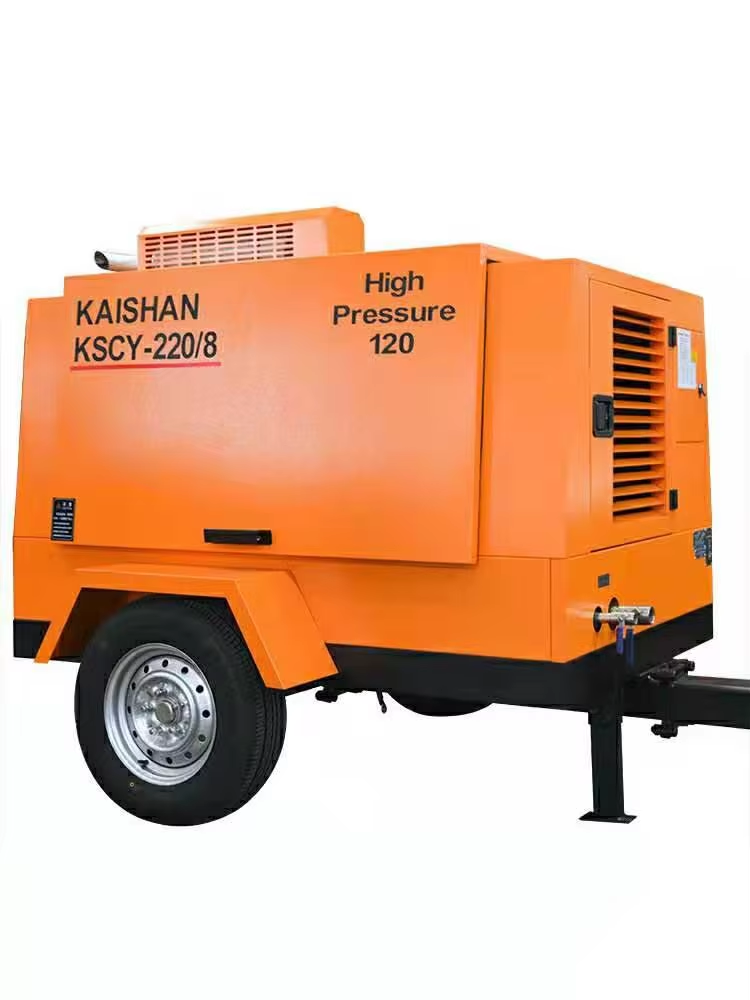
Underground Ventilation and Methane Extraction at 7–35 bar
Air compressors on wheels supply fresh air to miners working deep underground where dangerous methane builds up. These units run between 7 and 35 bar pressure, keeping oxygen levels where they need to be and stopping flammable gases from reaching dangerous concentrations in tight spaces. The fact that they can be moved around means operators can put them right next to ventilation points throughout the mine. This helps keep air flowing all the way through those long tunnels stretching for kilometers. Plus it cuts down on how much space the equipment takes up overall, which is important since mines have strict safety regulations like those set by MSHA regarding air quality requirements.
Pneumatic Tool Support: Drills, Rock Hammers, and Conveyors (19–60 m³/min Flow)
The big blowers moving air between 19 and 60 cubic meters per minute keep all those critical digging machines running smoothly down below. When rock drills get that steady pressure around 100 to 150 psi, they drill through stone about 30 percent quicker. And those pneumatic hammers? They break ore with noticeably less shaking compared to their hydraulic cousins, cutting down on equipment wear and tear by roughly a quarter. The conveyor belts hauling away all that broken rock need serious throughput too, handling flows well over 40 m³ every minute nonstop. Mines that ditch traditional electrical wiring when working in damp areas save themselves a ton of time during setup. We've seen installations cut nearly two thirds off their usual schedule just by going wireless in these wet tunnel environments.
Total Cost of Ownership Advantage: Why Diesel Mobile Air Compressors Deliver Long-Term Value
For mining operations looking at total cost of ownership, diesel mobile air compressors stand out thanks to their fuel efficiency, less frequent maintenance needs, and longer lasting equipment. The diesel engines actually burn around 30 percent less fuel than gas powered versions, which cuts down on those expensive refueling runs especially when working remote sites. These machines are built tough too with reinforced parts and better filters that cut maintenance down by about 40% compared to electric units. Plus, they come with special frames that absorb vibrations so components don't wear out as fast. Most units last well over 5,000 hours even in dusty, gritty conditions where other equipment would fail much sooner. Mines following the latest energy rules from the US Department of Energy in 2023 typically save somewhere around 290,000 kilowatt hours each year per compressor. All told, companies usually see their investment pay off between 18 to 24 months after purchase, making these compressors a smart choice for big scale mining projects.
FAQ
How do diesel mobile air compressors work in harsh mining environments?
These compressors are equipped with IP65+ enclosures to protect against dust and feature vibration dampening systems for enhanced durability. They're designed to operate efficiently in extreme conditions, ensuring minimal maintenance and a Mean Time Between Failures of over 5,000 hours even in open-pit operations.
What is a key advantage of truck-mounted air compressors?
Truck-mounted air compressors offer mobility, allowing rapid deployment and relocation within hours, as opposed to weeks needed for fixed installations. This is particularly beneficial for exploration and operation in remote mining sites.
How do diesel mobile air compressors contribute to cost savings?
They improve fuel efficiency by burning about 30% less fuel compared to gas-powered options, thus reducing refueling costs. Their robust design ensures reduced maintenance demands and longer equipment lifespan, contributing to overall cost savings and quick investment return.
What are the benefits of using diesel mobile air compressors in mining?
Diesel mobile air compressors offer several benefits in mining, including off-grid power independence, rapid deployment across remote sites, proven durability and reliability, and a lower total cost of ownership due to fuel efficiency and reduced maintenance needs.