
 EN
EN
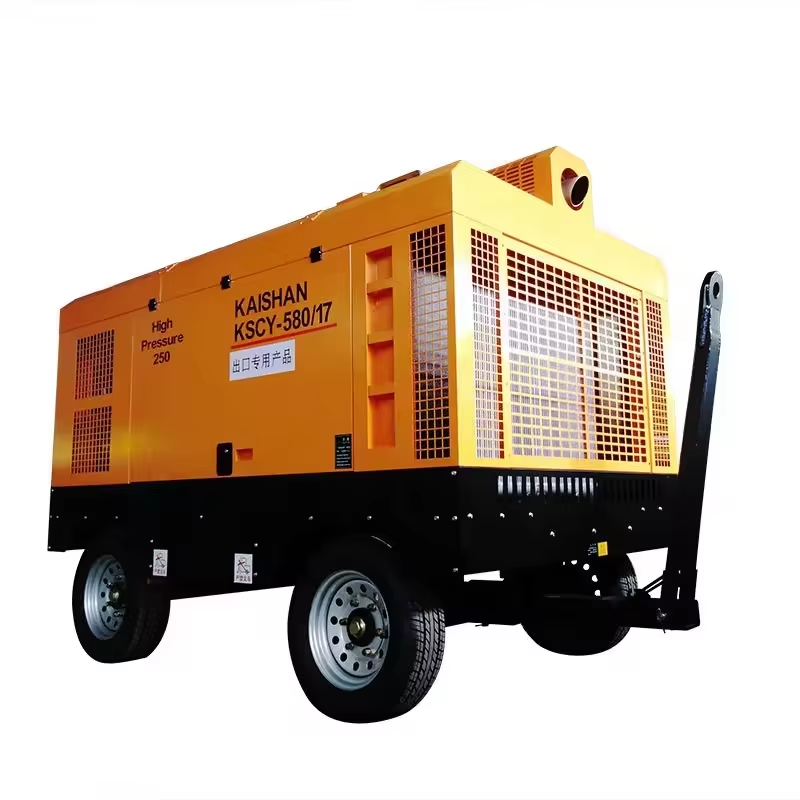
Match Airflow and Pressure Requirements to Mining Tasks about Mobile Air Compressor
When choosing a mobile air compressor for construction sites, the first thing to figure out is how much airflow (measured in CFM - Cubic Feet per Minute) and pressure (in PSI or Bar) the job actually needs. For drilling and bolting work, most rigs run around 90 to 120 PSI (that's about 6.2 to 8.3 Bar) with airflow between 350 and 500 CFM. Ventilation systems tell a different story though—they operate at lower pressures, usually 40 to 60 PSI, but they need consistent high volume airflow to keep things moving properly. Pneumatic tools such as grinders or impact wrenches present another challenge because they need quick pressure recovery after each use. If the compressor isn't sized right, these tools simply stop working mid-job, which can really slow down progress and sometimes add weeks to a project schedule. Getting the specs wrong leads to all sorts of problems down the line. When compressors struggle to deliver enough CFM, they end up working harder than intended, wearing out components faster and eventually costing more money in repairs and replacements.
When it comes to compressors, matching them to the right duty cycle makes all the difference between smooth operation and costly breakdowns. Exploration work typically uses compressors that run at around 40 to 50% capacity most of the time, since they're only needed for brief tasks such as taking samples from drill holes. Things change completely once we get into full production mode though. At this stage, operations need compressors that can handle constant workload without stopping, often working nonstop day after day to keep everything running from bolt tightening systems to air supply networks throughout the mine. Rotary screw models are specifically designed for these tough conditions, lasting well over 8,000 hours before needing major maintenance. That's actually twice as long as piston compressors which usually last less than 3,500 hours in similar environments. Getting this wrong has real consequences too. Mines lose an average of $740,000 each year due to unexpected equipment failures caused by mismatched compressors according to research from Ponemon Institute back in 2023. So when selecting equipment, always check if the specs match what the site will actually be asking for in terms of runtime demands.
Ensure Environmental Resilience in Harsh Mining Conditions
IP rating, ISO 8573-1 filtration class, and aftercooler design for high-dust, high-humidity underground sites
The underground mining environment really puts mobile air compressors through their paces, dealing with particulate loads sometimes going over 1,000 mg per cubic meter and humidity consistently above 90%. These harsh conditions require special environmental protection measures for equipment to survive long term. Most importantly, any gear needs at least IP55 rating so it can handle dust getting into components and withstand those mandatory washdown procedures with low pressure water jets. When talking about compressed air quality, there's no room for compromise on ISO 8573-1 Class 2 filtration standards. This level actually filters out oil mist particles and tiny dust specks smaller than 0.1 microns which helps keep pneumatic tools from corroding and protects miners' lungs from harmful airborne contaminants. Aftercoolers should be set up to keep discharge temps no more than 15 degrees Celsius warmer than the surrounding air temperature to cut down on moisture buildup inside systems. For places where sulfur compounds or salt are prevalent in the mine atmosphere, manufacturers generally recommend using corrosion resistant aluminum cores instead of steel ones since they last longer under these tough conditions. All these specifications tackle exactly what causes most equipment failures in mining operations today.
- Silica dust abrasion accelerating wear by 300% in unfiltered systems
- Humidity-induced moisture accumulation causing ice formation at high altitudes
- Chemical corrosion from sulfide-rich ore bodies
According to the Mining Technology Journal (2023), 78% of mining equipment failures stem from environmental exposure—making these protections essential for long-term reliability.
Optimize Mobility and Site Integration for Operational Flexibility
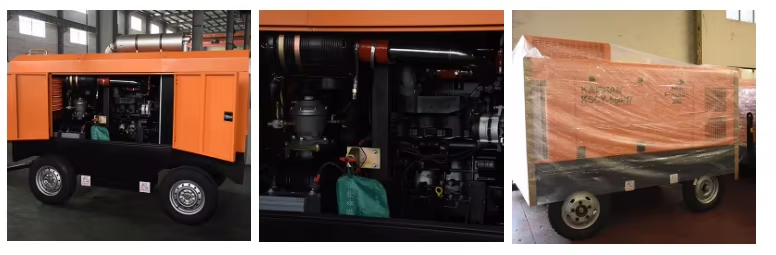
Vehicle-mounted vs. trailer-mounted mobile air compressor configurations: maneuverability, ramp clearance, and terrain adaptability
Getting the configuration right makes all the difference when it comes to efficiency in tight mining spaces. Mounting units on trucks gives them the edge they need to navigate those narrow underground passages and tackle steep declines, which is pretty much essential when working areas have limited space and tricky clearance angles. Plus, their compact build means workers can keep getting fresh air supplied as they move from one work area to another. On the surface, trailer mounted compressors pack more punch for air delivery needs, especially since those articulated hitches let operators make tighter turns around processing facilities. No matter what setup is chosen, both types need serious suspension systems, tough all terrain tires, and designs that keep the center of gravity low enough to handle rough access roads without tipping over. Hydraulic leveling systems help maintain stability even on slopes reaching 15 degrees, and the modular nature of these machines allows quick switching between tasks like exploration drilling and full scale ventilation operations without shutting things down completely.
Maximize Uptime with Proven Reliability and Remote Service Support
MTBF comparison: rotary screw (8,000 hrs) vs. piston (<3,500 hrs) under mining duty cycles
In continuous mining operations, rotary screw compressors typically last well over 8,000 hours before needing maintenance, which is actually more than twice what most piston models manage at around 3,500 hours under similar conditions. For mines running nonstop day after day, this difference matters a lot. According to research from Ponemon Institute back in 2023, unexpected equipment failures can cost upwards of $740,000 each year just sitting idle waiting for repairs. What makes these rotary units so reliable? They come equipped with oil flooded cooling systems that keep them from overheating even when working through all that dust during drilling operations. Plus, they maintain steady airflow throughout long shifts without dropping off like other types tend to do after several hours of constant operation.
| Compressor Type | MTBF (Hours) | Ideal Use Case |
|---|---|---|
| Rotary Screw | 8,000 | Production-phase mining |
| Piston | <3,500 | Intermittent tasks |
OEM service network coverage, spare parts logistics, and remote diagnostics for off-grid locations
Geographic service coverage determines recovery speed during failures. Leading manufacturers deploy three critical support layers for remote sites:
- Pre-positioned spare parts hubs within 200 km of major mining regions
- Satellite-enabled diagnostics that transmit real-time performance alerts and fault codes to technicians before they arrive onsite
- Certified field technicians trained specifically for underground repairs
Remote diagnostics cut troubleshooting time by 65%, enabling first-visit resolution for 92% of compressor failures (Mining Maintenance Benchmark Report, 2023). When evaluating vendors, verify service-level agreements guaranteeing 48-hour response times for critical components.
FAQ
Why is it important to match air compressor specifications to mining tasks?
Incorrect specifications can lead to equipment inefficiencies, breakdowns, and increased operational costs.
What environmental factors affect mobile air compressor performance in mining?
High dust levels, humidity, and extreme temperatures necessitate specific environmental protections like IP ratings and filtration standards.
How do vehicle-mounted and trailer-mounted compressors differ?
Vehicle-mounted compressors offer better maneuverability in tight spaces, while trailer-mounted systems provide higher air delivery capacity for surface operations.
What is the MTBF for rotary screw and piston compressors, and why does it matter?
Rotary screw compressors have an MTBF of over 8,000 hours, more than double that of piston compressors, making them ideal for continuous use and minimizing downtime.
What factors determine the size of a mobile air compressor needed for mining tasks?
The size is determined by the required airflow (measured in CFM) and pressure (measured in PSI or Bar) specific to the mining task, such as drilling, bolting, or ventilation.