
 EN
EN
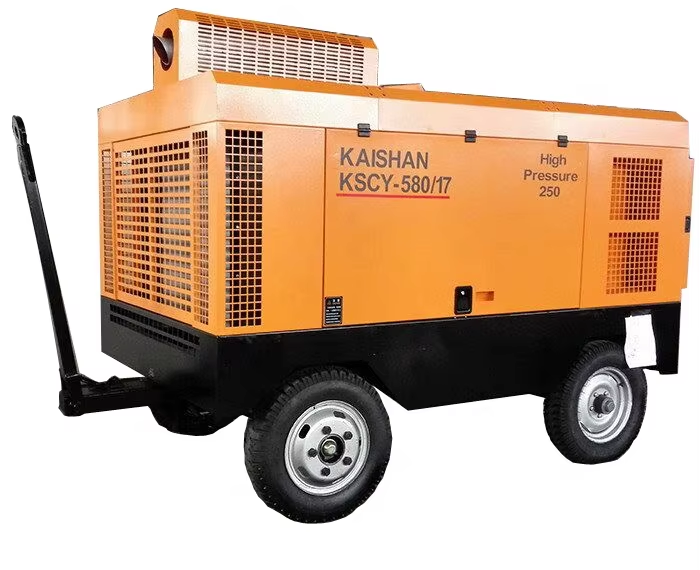
Portability and Operational Flexibility for Dynamic Mining Environments about Mobile Air Compressor
Rapid Deployment Across Remote, Shifting, and Infrastructure-Limited Mine Sites
These days, mining companies often set up shop in remote areas where there's hardly any infrastructure at all. Traditional fixed compressors need solid foundations and connection to the electrical grid, which just doesn't work when mine configurations change almost every week. That's where mobile air compressors come into play. These units sit on trucks or trailers, and some can even be hauled in by helicopter for those really inaccessible locations. The difference is huge compared to building out permanent installations. According to actual field reports, setting up mobile systems cuts down preparation time by around three quarters compared to fixed setups. Exploration crews get their compressed air right away for core drilling tasks without having to wait weeks for electricity connections. Built tough for harsh environments, these machines run smoothly even at altitudes over 4,000 meters and handle dust concentrations that would choke most equipment. And because they take up so little space, operators can park them close to the action, reducing pressure drops that happen with lengthy pipeline runs.
Mobility Advantages for Short-Term Drilling, Blasting, and Exploration Campaigns
Mining operations that last only a few months need gear that keeps pace with moving work areas. Mobile air compressors really shine in those drill and blast setups where everything shifts forward day after day. These aren't stuck to pipes like the old fixed systems were. Instead they follow the blasting pattern right to where it's needed most, getting around 100 to maybe 350 cubic feet per minute down to those rock drills pretty quick, usually within half an hour or so. Field crews find this setup makes life easier too. One big trailer mounted compressor can actually handle service for as many as five different drilling machines spread out over various test sites throughout a single workday. That means waiting around between jobs drops by about two thirds, and nobody has to carry extra backup equipment anymore. When looking at short term contracts lasting less than six months, going mobile saves companies roughly 40 percent on upfront costs versus setting up something permanent. The whole system is designed for fast moves too, with special quick connect parts and pieces that snap together easily, making it simple to move things around when pits expand or resources start running low in certain areas.
Performance and Duty Cycle Alignment: Mobile Air Compressor Capacity vs Stationary Output
Matching Intermittent High-Pressure Demands with Mobile Units
Designed specifically for stop-start jobs that need serious pressure, mobile air compressors excel at tasks such as breaking through rock formations which typically require between 90 to 175 psi. Most models work around a 50 to 60 percent duty cycle, which makes them ideal for work patterns that aren't constant. These machines kick in whenever the system pressure falls below certain levels and then provide maximum cfm right when needed. This setup helps prevent problems with overheating while saving energy that would otherwise be wasted during idle periods. Real world observations from mines indicate that these portable units actually run for about 18 to 22 minutes out of every hour during regular drilling operations. That's plenty of time to crack through tough rock without having to keep the compressor running nonstop all day long.
Sustained Low-Pressure Requirements Favored by Stationary Systems
When it comes to applications needing steady low pressure air below 60 psi, stationary compressors are typically the go to solution for things like ventilating mines underground or moving materials through pneumatic systems. These machines can run almost non stop thanks to their good cooling systems, tough motors, and solid bases that keep them from vibrating too much. For proper ventilation, each worker usually needs around 200 cubic feet per minute of airflow, something that portable compressors just cant handle consistently they manage this level of output maybe 30% of the time at best according to field tests. Looking at real world performance data shows that stationary models hit their pressure targets about 98.5% of the time during conveyor operations, while mobile versions only achieve this about 74% of the time. This means fewer problems with inconsistent airflow when using stationary equipment since pressure drops happen less frequently.
| Requirement Type | Mobile Suitability | Stationary Advantage |
|---|---|---|
| Pressure Range | 90–175 PSI | <60 PSI |
| Typical Duty Cycle | 50–60% | 80–100% |
| Optimal Use Case | Rock drilling | Ventilation systems |
Durability, Maintenance, and Total Cost of Ownership in Harsh Mining Conditions
Dust, Vibration, and Thermal Stress Resistance: Design Divergence Between Mobile and Stationary Units
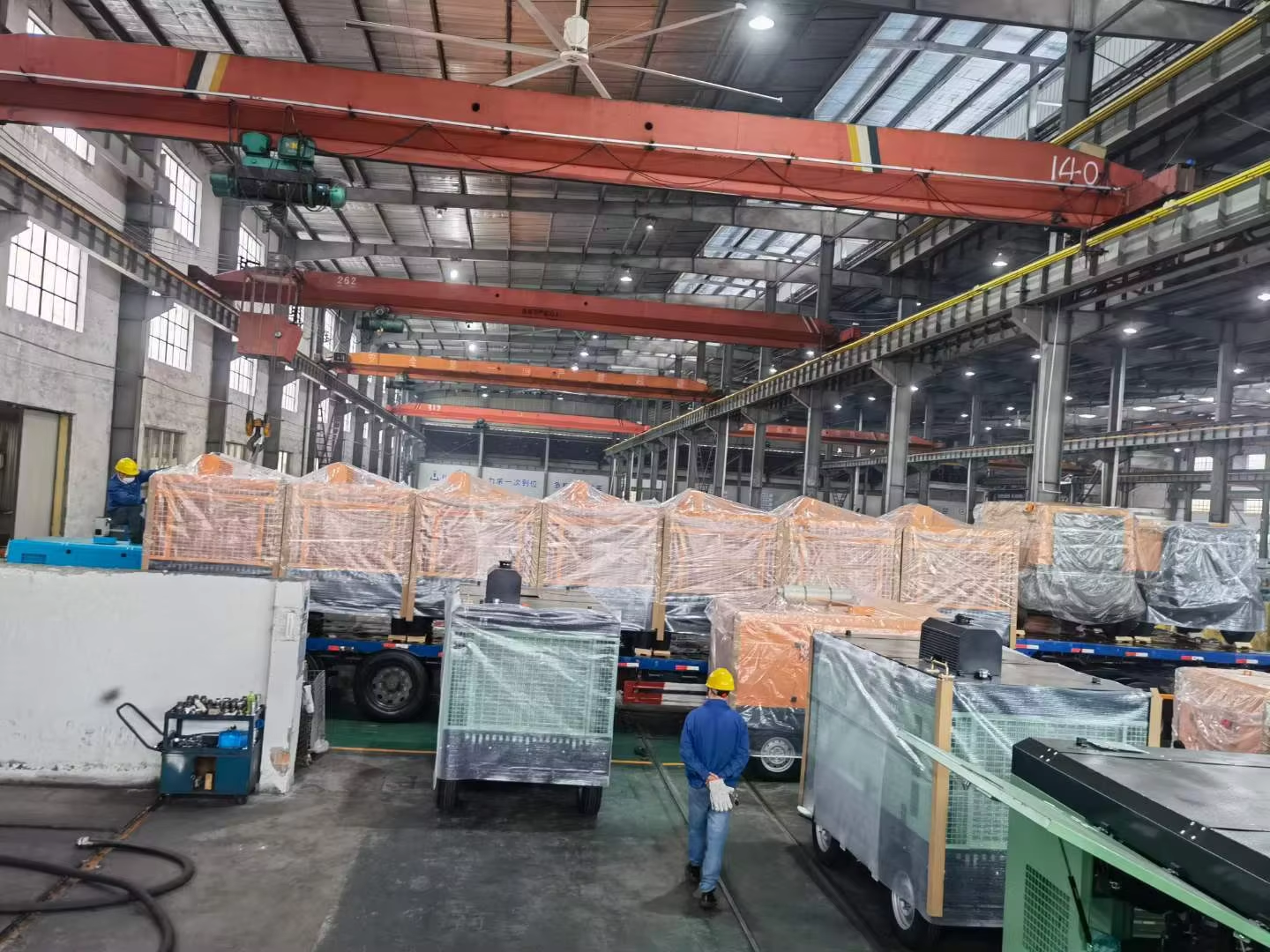
The mobile air compressors come equipped with shock absorbing frames, sealed drive parts, and built in thermal management systems that can handle continuous vibrations during transportation as well as temperatures exceeding 50 degrees Celsius or about 122 Fahrenheit. Stationary models are sturdy enough but typically need extra enclosures to keep out dust particles. This is actually a big problem because dust contamination causes roughly 38 percent of all compressor breakdowns specifically in mines. The mobile versions have better filtration technology that catches almost 99.6% of airborne silica dust. Meanwhile, stationary systems must work with whatever fixed infrastructure exists, which doesn't adapt well when mining pits change over time. Because of these differences, we see around 12% reduction in dust related failures for mobile units operating in areas where dust exposure is really high.
Field-Validated Maintenance Intervals and Uptime Metrics
Field data from a leading manufacturer shows mobile compressors average 500-hour service intervals—shorter than the 750 hours typical for stationary models—reflecting their more demanding operating context. However, modular architecture enables 30% faster field repairs, supporting 94% uptime versus 91% for stationary alternatives. A 2023 multi-site mine study confirmed this trade-off:
| Metric | Mobile Units | Stationary Units |
|---|---|---|
| Annual Maintenance Cost | $18,200 | $15,500 |
| Downtime per Incident | 4.2 hours | 8.7 hours |
| Total 5-Year Ownership | $217,000 | $240,000 |
Streamlined servicing offsets higher maintenance frequency, delivering a 9.6% reduction in total cost of ownership over ten years—even under extreme conditions.
Safety, Reliability, and Energy Efficiency Compliance for Underground and Surface Mines
Mobile air compressors help mining operations stay compliant with regulations both above and below ground. These units come equipped with essential safety gear such as automatic pressure relief valves and explosion proof enclosures, which make them suitable for areas rich in methane or filled with dust particles. The small footprint and mobility of these compressors lets mine managers position them safely away from blasting areas and shaky ground conditions, keeping workers out of harm's way from falling rocks, leaking gases, and similar dangers. When it comes to staying operational, these machines are built tough with durable parts and come with remote diagnostic capabilities that keep them running over 95% of the time even when temperatures swing between -30 degrees Celsius and 50 degrees Celsius, plus they handle all sorts of vibrations without issues. From an energy standpoint, these compressors meet sustainability requirements set by organizations like MSHA. Their variable speed drives adjust power consumption based on what's needed at any given moment, saving anywhere from 25 to 40 percent in energy costs compared to older fixed speed models when operating under partial load conditions. By combining robust safety measures with efficient performance characteristics, these mobile solutions not only satisfy international standards but also cut down on unexpected shutdowns that disrupt production schedules.
FAQ
What are the main advantages of mobile air compressors in mining?
Mobile air compressors offer rapid deployment, flexibility for moving work areas, reduced pressure drops, improved dust resistance, and significant cost savings compared to stationary systems. They are ideal for short-term operations and dynamic environments.
How do mobile compressors handle environmental challenges?
Mobile compressors come with shock-absorbing frames, sealed components, and advanced filtration systems to manage dust, vibrations, and thermal stress, allowing them to function effectively even in harsh mining conditions.
Are mobile compressors more cost-effective than stationary units?
While mobile compressors may have higher maintenance costs, they typically offer a lower total cost of ownership over the long term due to efficient servicing, reduced downtime, and adaptability to changing mining environments.
What safety features do mobile air compressors include?
Mobile air compressors are equipped with safety gear such as pressure relief valves, explosion-proof enclosures, and remote diagnostics. Their design allows for safe positioning away from hazardous areas like blast sites.
How do mobile air compressors support energy efficiency?
These compressors use variable speed drives to adjust power based on demand, resulting in energy savings of 25 to 40 percent compared to older fixed-speed models under partial load conditions.
Table of Contents
- Portability and Operational Flexibility for Dynamic Mining Environments about Mobile Air Compressor
- Performance and Duty Cycle Alignment: Mobile Air Compressor Capacity vs Stationary Output
- Durability, Maintenance, and Total Cost of Ownership in Harsh Mining Conditions
- Safety, Reliability, and Energy Efficiency Compliance for Underground and Surface Mines
-
FAQ
- What are the main advantages of mobile air compressors in mining?
- How do mobile compressors handle environmental challenges?
- Are mobile compressors more cost-effective than stationary units?
- What safety features do mobile air compressors include?
- How do mobile air compressors support energy efficiency?