
 EN
EN
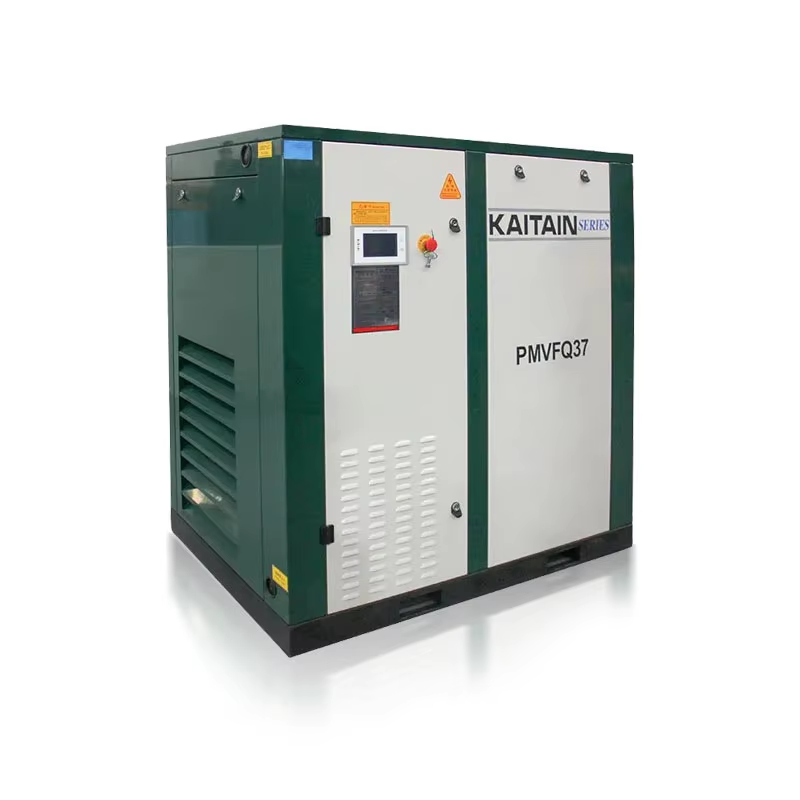
Understanding the Role of the Air-Oil Separator in Screw Air Compressor Systems
Oil-flooded screw air compressors rely on air-oil separators to maintain peak performance while preventing costly oil contamination. These critical components ensure compressed air systems deliver clean, oil-free output by separating lubricant mist from the air stream during the compression cycle.
How Air-Oil Separators Function in Oil-Flooded Screw Air Compressors
Modern separators use a multi-stage process combining centrifugal force and coalescing filtration. As the compressed air-oil mixture enters the separator tank:
- Centrifugal motion forces heavier oil particles to the tank walls
- Remaining oil mist passes through a multi-layered filter element that captures 99.9% of submicron oil droplets
- Clean air exits the system while separated oil drains back to the reservoir for reuse
This continuous recycling process reduces oil consumption by up to 90% compared to non-recirculating systems.
Importance of Maintaining Air-Oil Separators in Oil-Flooded Compressors
Neglected separators cause 3.8% average efficiency loss (Compressed Air Systems Study 2023) through:
- Increased oil carryover contaminating downstream equipment
- Pressure drops up to 15 PSI from clogged filter media
- Premature bearing wear due to lubricant degradation
Proactive maintenance prevents $18,000–$45,000 in annual repair costs for industrial users by extending compressor lifespan.
Key Components and Design Features of Modern Separator Elements
| Component | Function | Failure Impact |
|---|---|---|
| Coalescing Filter Media | Captures 0.01–1μm oil droplets | Oil carryover, air purity loss |
| Anti-drainage Valves | Prevent oil backflow | Compressor oil starvation |
| Pressure Relief Systems | Protect against over-pressurization | Tank ruptures, safety hazards |
Advanced designs incorporate hydrophobic polymer coatings and stainless steel mesh reinforcements to withstand 250°F+ operating temperatures.
Common Causes of Air Compressor Oil Separator Filter Failure
Contamination, overheating, and clogging: leading causes of separator failure
Oil separators in screw air compressors typically fail in three main ways: when particles get in, when they overheat, and when airflow gets blocked. The problem starts when dust sneaks through filters that aren't doing their job right. This dust mixes with stuff left behind as the oil breaks down over time, eventually turning into sludge that blocks up those delicate separator membranes. According to some recent industry data from last year, separators running consistently above around 200 degrees Fahrenheit tend to wear out almost twice as fast because the heat speeds up how quickly the oil goes bad. When airflow becomes restricted due to these clogged parts, the whole system has to push much harder just to keep going. We're talking about anywhere from 15 to maybe even 20 percent extra effort, which doesn't just waste energy but puts real strain on other components too. Maintenance teams often see this happen during peak production periods when everyone is pushing equipment beyond normal limits.
Impact of environmental contaminants on oil separator performance
Industrial environments contain all sorts of corrosive stuff like moisture, chemical fumes, and gritty particles that actually wear down separator media around 40% quicker than what manufacturers predict. Looking at real world data from compressor failures shows something interesting too. Plants with bad air filters end up replacing their separators about 2.3 times each year on average, while those with good filtration systems only need new ones roughly once every 14 months. The problem gets worse when hygroscopic oils are involved since these oils soak up moisture from the air and create acid-like mixtures. These acids then slowly eat away at tiny pathways in the separator walls over time, making them fail sooner than expected.
Damage from improper operation and non-OEM replacement risks
Running compressors past their rated capacity puts serious strain on separators because of those crazy high oil velocities. Some field testing actually found oil carryover rates jumping up 27% when systems operate at just 110% load. A lot of cheaper non-OEM filters simply don't have those important design elements manufacturers build into original parts, especially those graduated pore structures that matter so much. These budget alternatives typically last about 18% less time even though they cost less initially. The numbers back this up too many plant managers report seeing their total ownership costs balloon by around 34% over five years when using mismatched separator elements. That's not just money wasted on replacements either these poor performing filters tend to cause all sorts of problems downstream that require expensive repairs down the road.
Operational and Economic Consequences of Poor Air-Oil Separator Maintenance
Oil Carryover, Pressure Drop, and Reduced System Efficiency
Failing air-oil separators allow oil particles to contaminate compressed air streams—a phenomenon called carryover. This reduces heat transfer efficiency by up to 18% (Parker Hannifin 2023) while increasing internal pressure differentials. Operators typically see 10–15 PSI pressure drops in compromised systems, forcing compressors to work harder to maintain output.
Increased Energy Costs and Energy Inefficiency
Blocked separators elevate energy consumption by 15–30% through extended runtime cycles and friction-induced heat generation from residual oil. For a 100 HP compressor, this translates to $8,400+ in annual wasted electricity at $0.12/kWh rates.
Downstream Contamination and Equipment Impact
Escaped oil aerosols:
- Coat pneumatic tools, reducing torque accuracy
- Degrade rubber seals in valves and actuators
- Require 35% more frequent filter replacements in air dryers
Metal particulate contamination from degraded separators accelerates wear in critical components like rotor bearings, cutting their service life by 40–60% according to tribology studies.
Financial Impact of Downtime and Repairs
A single separator failure cascade typically incurs:
| Cost Category | Average Expense | Frequency |
|---|---|---|
| Emergency repairs | $4,200 | 78% of failures |
| Production loss | $580/hour | 4–18 hour outages |
| Ancillary damage | $11,000 | 62% of cases |
Data: Compressed Air Best Practices Report 2024
Total unplanned maintenance costs reach $740,000 annually for manufacturers with multiple compressors. Proactive separator maintenance reduces these expenses by 83% through scheduled interventions.
Safety Risks and Industrial Hazards of Faulty Air-Oil Separators
Fire and Explosion Risks Due to Oil Mist Accumulation
When air-oil separators fail, they let oil mist slip into compressed air lines where it forms dangerous mixtures that can catch fire. Lubricants become especially risky when broken down into tiny particles because this actually reduces what temperature it takes to start an explosion. Just last year, there was a serious incident at a factory somewhere in Texas where faulty equipment allowed oil mist to build up until it finally caught fire next to an overheated motor. The resulting blaze caused around two million dollars worth of damage according to reports from the facility management team.
Worker Safety and Regulatory Compliance Concerns
Leaking separators expose workers to two primary hazards:
- Respiratory risks from inhaling oil-laden air, linked to chronic lung conditions in 18% of compressor technicians (NIOSH 2022)
- Slip-and-fall incidents caused by oil pooling near equipment, accounting for 23% of compressor-related injuries
Regulatory bodies like OSHA increasingly penalize facilities with separator maintenance lapses, issuing fines averaging $56k per violation in 2023.
Case Studies: Real-World Failures and Lessons Learned in Industrial Settings
A food processing facility shut down for six hours recently, which cost them about $48,000 in lost production time. The problem? Just a $29 separator filter that had gotten clogged and ended up contaminating several packaging lines. On the flip side, an automotive manufacturing plant saved themselves from facing around $740,000 worth of possible EPA penalties last year according to their 2023 compliance report. They managed to stay compliant by doing regular separator checks every three months plus keeping track of moisture levels throughout operations. These real world situations show just how small ongoing maintenance expenses can stop major problems before they happen.
Best Practices for Maintaining Screw Air Compressor Oil Separators
Recommended Maintenance Schedules and Inspection Routines
Proactive maintenance prevents 87% of premature failures linked to contamination (Plant Engineering 2024). Industry research recommends replacing separator elements every 12–18 months, with monthly inspections for pressure differentials exceeding 5 psi. Facilities using predictive maintenance strategies report 22% longer separator lifespans by tracking oil carryover rates and filter loading trends.
Proper Installation and Use of OEM-Compatible Separator Elements
Non-OEM separators cause 34% higher energy consumption due to mismatched pore sizes and seal designs. Certified OEM-compatible elements ensure ≤3 ppm residual oil in compressed air streams, meeting ISO 8573-1 Class 1 standards. Technicians should verify torque specifications during installation—over-tightening housing bolts can warp critical sealing surfaces by 0.02–0.05 mm, accelerating wear.
Preventive Strategies to Minimize Operational Costs and Extend Lifespan
When maintenance teams combine regular separator core checks every three months with yearly oil analysis, they typically see around a 40% drop in replacement expenses. Plants that install two stage filtration systems right before the separator manage to cut down on dirt getting inside by almost 80%. Keeping oil temps under 85 degrees Celsius (or about 185 Fahrenheit) is also critical because hot oil can really mess up those delicate membrane materials in separators. According to some real world testing done last year, following all these best practices saves facility owners roughly eighteen thousand dollars per compressor across five years of operation. That kind of money adds up fast when looking at whole fleets of equipment.
FAQs
What is the primary role of the air-oil separator in screw air compressors?
The air-oil separator's primary role is to prevent oil contamination in compressed air systems by separating lubricant mist from the air stream, thus ensuring clean, oil-free output.
How often should air-oil separators be replaced?
Industry recommendations suggest replacing air-oil separator elements every 12–18 months to prevent premature failures and maintain optimal performance.
What are the common causes of air compressor oil separator failure?
Common causes include contamination, overheating, and clogging due to dust and sludge buildup in filters failing to effectively clean the air-oil mixture.
Why is regular maintenance of air-oil separators important?
Regular maintenance is crucial to prevent efficiency losses, increased energy consumption, and costly repairs. It extends the lifespan of compressors and reduces downtime.
What safety hazards can result from faulty air-oil separators?
Faulty separators can lead to fire and explosion risks due to oil mist accumulation, and pose worker safety risks like respiratory issues and slip-and-fall accidents.
How can improper operation affect air-oil separators?
Operating compressors beyond their rated capacity can increase oil velocities, causing strain on separators and potential failure, while using non-OEM replacements can increase costs and operational issues.
Table of Contents
- Understanding the Role of the Air-Oil Separator in Screw Air Compressor Systems
- Common Causes of Air Compressor Oil Separator Filter Failure
- Operational and Economic Consequences of Poor Air-Oil Separator Maintenance
- Safety Risks and Industrial Hazards of Faulty Air-Oil Separators
- Best Practices for Maintaining Screw Air Compressor Oil Separators
-
FAQs
- What is the primary role of the air-oil separator in screw air compressors?
- How often should air-oil separators be replaced?
- What are the common causes of air compressor oil separator failure?
- Why is regular maintenance of air-oil separators important?
- What safety hazards can result from faulty air-oil separators?
- How can improper operation affect air-oil separators?